




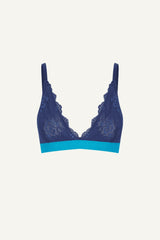













No, your bra doesn’t cause breast cancer. Not the underwire, not sleeping in it, not the colour, not how many hours you wear it. That’s the short answer backed by every major cancer research body in the UK. But the myths keep circulating — so here’s what the science actually says.
Contents
- The Underwire Myth: Where It Started
- Every Major Bra-Cancer Myth, Checked Against Evidence
- What the Science Actually Shows
- Real Risk Factors vs Bra Myths
- Comfort vs Cancer: Why Bra Choice Still Matters
- How to Actually Check Your Breasts
The Underwire Myth: Where It Started
The claim that underwire bras cause breast cancer traces back to a single source: a 1995 book called Dressed to Kill by Sydney Ross Singer and Soma Grismaijer. The authors argued that tight-fitting bras restrict lymphatic drainage, trapping toxins in breast tissue and increasing cancer risk. The book sold well. The science behind it didn’t hold up at all.
The study had no control group. It didn’t account for known risk factors like weight, family history, or age. It confused correlation — women who wore bras more hours per day happened to have higher cancer rates — with causation, ignoring that those same women were statistically more likely to have larger breasts and higher BMI, both of which are independently linked to breast cancer risk.
According to Cancer Research UK, “There is no credible scientific evidence that wearing a bra causes breast cancer.” They categorise it clearly as a cancer myth.
Yet the claim persists. A quick search still returns forums, social media posts, and even some wellness blogs repeating it as fact. That’s why debunking it with actual data matters — particularly during Breast Cancer Awareness Month, when misinformation can distract from steps that genuinely save lives.
The underwire-causes-cancer claim is not supported by any peer-reviewed research and has been rejected by every major cancer charity in the UK.
Every Major Bra-Cancer Myth, Checked Against Evidence
These claims circulate constantly online. Here’s what the research actually says about each one.
Myth |
Claim |
What Science Says |
|---|---|---|
Underwire bras cause cancer |
Metal wires trap toxins in breast tissue |
No evidence. A 2014 study of 1,500+ women found zero link between bra type and cancer risk. |
Sleeping in a bra causes cancer |
Nighttime wear blocks lymph flow |
No evidence. The NHS confirms bras worn at night have no effect on cancer risk. |
Tight bras cause cancer |
Compression restricts drainage |
No evidence. Poorly fitting bras cause discomfort, not disease. |
Black bras cause cancer |
Dye chemicals absorbed through skin |
No evidence. Textile dyes in regulated markets don’t penetrate skin at harmful levels. |
Going braless prevents cancer |
Bra-free living is “natural” and protective |
No evidence that wearing or not wearing a bra changes cancer risk in either direction. |
Wearing a bra — of any type, colour, or fit — is not a risk factor for breast cancer. That’s the position of Cancer Research UK, Breast Cancer Now, and the NHS.
The real danger of these myths isn’t just that they’re wrong. It’s that they redirect attention away from evidence-based risk factors and screening. If someone believes their bra choice protects them, they might skip a self-check or delay seeing a GP about a change they’ve noticed. That delay costs lives.
What the Science Actually Shows
The most robust research on this topic comes from a 2014 study published in Cancer Epidemiology, Biomarkers & Prevention — a peer-reviewed journal of the American Association for Cancer Research. Researchers at the Fred Hutchinson Cancer Research Center studied 1,044 women with invasive breast cancer and 469 controls.
Their findings were unambiguous: no aspect of bra wearing — including cup size, underwire presence, average hours worn per day, or age at which bra-wearing began — was associated with increased breast cancer risk.
According to Breast Cancer Now, the UK’s largest breast cancer charity, the focus should be on factors with genuine scientific backing:
Proven Risk Factors |
Not Risk Factors |
|---|---|
Family history / genetics (BRCA1, BRCA2) |
Bra type (underwire, wireless, sports) |
Age (risk increases over 50) |
Bra colour or fabric |
Being overweight or obese post-menopause |
Hours per day wearing a bra |
Alcohol consumption |
Sleeping in a bra |
Hormone replacement therapy (HRT) |
Bra tightness |
Not breastfeeding (slight increase) |
Going braless |
Physical inactivity |
Antiperspirant use |
According to the NHS, around 1 in 7 women in the UK will be diagnosed with breast cancer in their lifetime. The known modifiable risk factors — weight, alcohol, physical activity — are where attention and action can make a real difference.
Real Risk Factors vs Bra Myths
Why do bra myths stick so stubbornly when the evidence against them is so clear? Because they offer a sense of control. If your bra choice could prevent cancer, that would mean you could protect yourself with a simple wardrobe swap. The reality is more complex, and that complexity is uncomfortable.
But acknowledging real risk factors is genuinely empowering — because some of them are within your control.
According to Cancer Research UK, these lifestyle factors have an evidence-based impact on breast cancer risk:
- Maintaining a healthy weight — excess body fat after menopause increases oestrogen levels, which can fuel cancer growth
- Staying physically active — 150+ minutes of moderate activity per week is linked to lower risk
- Limiting alcohol — risk increases with every unit; there’s no “safe” level regarding cancer
- Breastfeeding — each 12 months of breastfeeding reduces risk slightly
None of these involve your underwear drawer.
What also matters — critically — is early detection. CoppaFeel!, the UK charity founded by Kris Hallenga, campaigns for regular self-checking from a young age. Their message is straightforward: get to know what’s normal for your body so you notice when something changes. That means touching, looking, and knowing your own breasts — not worrying about what bra you’re wearing while you do it.
Bra choice is not a factor in breast cancer risk, and no medical body in the UK recommends changing bra type to reduce cancer risk.
If you’ve been putting off a self-check because you’ve heard conflicting information, set that aside. The evidence is clear. Check your breasts regularly, attend screenings when invited, and see your GP if anything feels different.
Comfort vs Cancer: Why Bra Choice Still Matters
So if bras don’t cause cancer, does your choice of bra matter at all?
Absolutely — just not for the reasons these myths suggest.
A badly fitting bra can cause genuine physical discomfort: shoulder grooves from straps bearing too much weight, red marks from underwire digging into ribs, skin irritation under the band, and back pain from inadequate support. These are real problems. They’re just not cancer.
Switching to a well-fitted wireless bra solves the comfort issues without any trade-off in support. At Lemonade Dolls, our entire range is wireless — not because we think underwire causes cancer, but because we believe you shouldn’t have to tolerate metal pressing into your ribcage for eight hours a day.
Our Fuller Cup collection goes up to a K cup, using power mesh panels and bonded construction to deliver lift and hold without a single wire. And our High Support range is built for those who need maximum structure from a wireless design.
If you’re not sure where to start, our Size Guide walks you through measuring at home in under five minutes. And if you want to understand why Lemon started this brand in the first place — comfort, inclusivity, and cutting through industry nonsense — that story sums it up.
The point is this: pick a bra because it fits you well, feels good on your body, and suits your day. Don’t pick one because you’re afraid it’ll make you ill. That fear isn’t based in evidence, and you deserve to make choices from confidence, not anxiety.
Browse our Best Sellers to see what thousands of customers have already chosen for everyday comfort.
How to Actually Check Your Breasts
Rather than worrying about bra myths, here’s something that genuinely helps: knowing how to check your breasts properly. There’s no single “right” technique — what matters is doing it regularly so you learn what’s normal for you.
CoppaFeel! recommends checking once a month. Here’s what to look and feel for:
- Lumps — new lumps or thickening in the breast or armpit area
- Skin changes — puckering, dimpling, or texture changes
- Nipple changes — discharge, inversion, or rash that doesn’t clear up
- Shape changes — one breast becoming noticeably different in size or shape
- Pain — persistent pain in one area that doesn’t come and go with your cycle
Most breast changes won’t be cancer. But the ones that are have far better outcomes when caught early. According to Cancer Research UK, breast cancer survival rates in the UK have doubled in the last 40 years, largely thanks to earlier detection and improved screening programmes.
If you notice any change that’s new for you, book a GP appointment. Don’t Google it, don’t wait to see if it goes away, and don’t let a bra myth make you think you already know the cause.
For more on Breast Cancer Awareness Month and how to support early detection charities, visit Breast Cancer Now and CoppaFeel!.
Frequently Asked Questions
Do underwire bras cause breast cancer? No. There is no scientific evidence linking underwire bras to breast cancer. According to Cancer Research UK, the myth originated from a widely discredited 1995 book that confused correlation with causation. A 2014 study of over 1,500 women found no connection between bra type and cancer risk.
Can wearing a bra to bed cause breast cancer? No. Sleeping in a bra has no connection to breast cancer. The NHS confirms that no evidence supports this claim. The only consideration when sleeping in a bra is personal comfort — a soft, wireless bralette is typically the most comfortable option if you prefer support at night.
Does wearing a tight bra block lymph drainage and cause cancer? No. While a poorly fitting bra can cause temporary discomfort, there’s no evidence it blocks lymphatic drainage in a way that leads to cancer. Breast Cancer Now states that the lymphatic system is not affected by external clothing pressure to the degree required to cause disease.
What actually reduces breast cancer risk? According to Cancer Research UK, proven risk-reduction factors include maintaining a healthy weight, staying physically active, limiting alcohol consumption, and breastfeeding if possible. Regular breast screening and self-checking also help with early detection. Bra choices don’t feature in any evidence-based risk assessment.
Should I switch from underwire to wireless bras for health reasons? There’s no health-based reason to avoid underwire bras. However, many people switch to wireless bras for comfort — eliminating wire dig, pressure points, and broken-wire mishaps. If comfort is your priority, a well-fitted wireless bra can provide support up to a K cup without any rigid components.
