







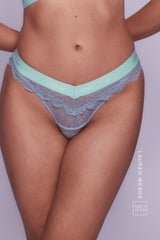
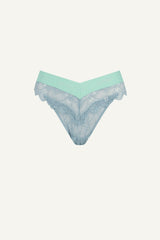
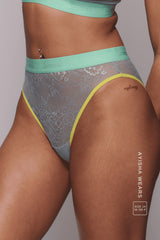
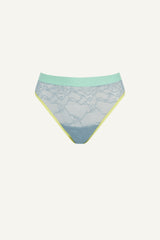


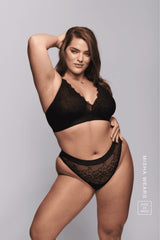
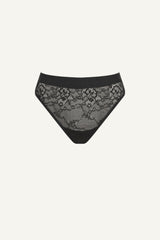


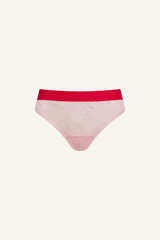


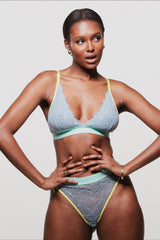



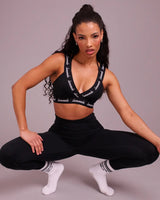





A thong is a style of knicker with a narrow strip of fabric at the back that sits between the buttocks, joining a triangle of fabric at the front to a thin waistband. Its main job is to give a smooth, no visible panty line finish under close-fitting clothes. Thongs come in several cuts, from the classic to the barely-there G-string, and suit almost everyone.
- What is a thong?
- The different types of thong
- Why people wear thongs
- Who do thongs suit?
- Comfort, fabric and staying healthy
- When to wear a thong (and when not to)
- Choosing your first thong
- Caring for your thongs
- FAQs
What is a thong?
A thong is a knicker designed to minimise back coverage. The front gives you a normal amount of cover, but the back narrows to a thin strip of fabric that sits between the buttocks, connecting to the waistband. Because there's almost no fabric across the bottom, there's nothing to create a ridge under leggings or a clingy dress, which is the whole point.
A thong is a minimal-coverage knicker built for a smooth line under clothes. It is not the same as a Brazilian, which keeps a small panel of fabric across the back cheeks for a little more coverage. If you want to see the full family side by side, our guide on Brazilian vs brief vs thong lays it all out.
The different types of thong
"Thong" is really an umbrella term for several cuts that differ in how much fabric sits at the back and the width of the waistband. The classic thong has a slim back strip, while a G-string is even more minimal, with a very thin string at the back and hips. A tanga sits between a thong and a Brazilian, with slightly more coverage and a wider side.
| Style | Back coverage | Best for |
|---|---|---|
| Classic thong | Slim strip of fabric | Everyday no-VPL wear |
| G-string | Very thin string | Minimal coverage, special occasions |
| Tanga | Slightly more, wider sides | A little more coverage with a smooth line |
| Brazilian (not a thong) | Small panel across cheeks | Cheeky coverage, low-VPL |
If you like the sound of a touch more coverage, the Brazilian is well worth a look, and we explain how it differs from a full brief in our guide to Brazilian knickers versus full briefs.
Why people wear thongs
The number one reason is to avoid a visible panty line. With no fabric across the back, a thong gives a clean, smooth finish under leggings, fitted trousers, white jeans and bodycon dresses. They're also lightweight and barely-there, which many people love for everyday comfort and for warm weather when less fabric feels cooler.
Thongs are a workout favourite too, because they stay put and don't ride up or bunch during exercise. The smooth, seamless construction of a good thong means it sits flat and stays invisible whether you're at the gym or in your favourite jeans. They're proof that practical and pretty aren't mutually exclusive.
Who do thongs suit?
Thongs suit every body and every size, it's entirely about comfort and confidence rather than shape. The idea that they only work for certain bodies is a myth, and the right cut and fabric make all the difference to how a thong feels. A wider, softer back strip and a comfortable waistband can make a thong feel as easy to wear as any other knicker.
If you're new to them, you don't have to start with the most minimal G-string. A classic thong in a soft fabric is a gentle introduction, and you can always size up for extra comfort. For more on finding cuts that genuinely feel good, our guide to the comfiest knickers to wear is a reassuring read.
Comfort, fabric and staying healthy
A comfortable thong comes down to fabric and fit. Soft, breathable materials like so-soft mesh and modal feel kind against the skin and move with you, while a snug-but-not-tight fit stops any digging in. Like all good knickers, a thong should have a breathable gusset, the small panel of fabric at the front.
That gusset matters for your health. According to Cleveland Clinic, a breathable cotton gusset is the best choice next to the skin because it wicks away the moisture that bacteria and yeast thrive on, while fully synthetic fabrics trap heat. According to the NHS, wearing cotton underwear and avoiding tight underwear can help prevent thrush, so a well-fitting thong with a breathable gusset is a healthy everyday choice rather than something to worry about. According to the OEKO-TEX STANDARD 100 certification carried by our fabrics, every component is tested against more than 1,000 potentially harmful substances, with the strictest limits for intimate items, so the layer against your most sensitive skin is genuinely skin-kind.
When to wear a thong (and when not to)
A thong earns its place whenever a smooth line matters. Reach for one under leggings, white or pale trousers, fitted skirts and bodycon dresses, where any seam would otherwise print through. They're brilliant for the gym, for warm days when less fabric feels cooler, and for any outfit where you simply don't want underwear to show.
There are also times you might prefer more coverage, and that's completely fine. Many people choose a fuller cut on their period, on lazy loungewear days, or simply when they fancy the cosier feel of a brief. Underwear isn't a one-style-fits-all situation, and the healthiest, happiest drawer usually has a mix, so you can match the cut to the day rather than forcing one shape to do everything.
| Occasion | Reach for |
|---|---|
| Leggings, gym, tight trousers | Thong for no VPL |
| Bodycon dress | Thong or G-string |
| Everyday with a little coverage | Tanga or Brazilian |
| Lounge days and periods | Brief for full coverage |
Choosing your first thong
For a first thong, look for three things: a soft breathable fabric, a comfortable waistband, and a breathable gusset. A classic cut in so-soft mesh or modal is the easiest place to begin. Our so-soft mesh thong is featherlight and cooling, while the everyday eco thong is a soft, sustainable all-rounder for daily wear.
If you decide you'd like a little more coverage, the signature lace Brazilian gives a cheeky-but-covered finish, and the signature lace brief offers full coverage while still sitting smoothly. There's no wrong choice, only the one that feels best for you.
Caring for your thongs
Thongs are small, delicate and often made from fine fabrics like mesh and lace, so a little care keeps them feeling lovely. Wash them on a cool cycle inside a mesh laundry bag, which protects the thin straps and delicate lace from snagging or stretching in the machine. Skip the fabric softener, since it coats the fibres and reduces how well the gusset breathes and wicks.
Air-drying flat rather than tumble-drying preserves the elastane, so the waistband keeps its gentle, stay-put stretch. It's good hygiene to wear a fresh pair every day and to change out of damp underwear promptly after exercise, both of which keep you comfortable and healthy. Looked after this way, a good thong stays soft, smooth and supportive for a long time, ready to disappear under whatever you put on over the top.
FAQs
What is a thong?
A thong is a style of knicker with minimal back coverage. The front offers normal coverage, but the back narrows to a thin strip of fabric that sits between the buttocks and connects to the waistband. Because there's almost no fabric across the back, a thong gives a smooth finish with no visible panty line under close-fitting clothes.
What is the difference between a thong and a Brazilian?
A thong has a thin strip of fabric at the back that sits between the cheeks, giving minimal coverage and no visible panty line. A Brazilian keeps a small panel of fabric across the back cheeks, so it offers a little more coverage while still staying low-profile. A thong is the more minimal of the two.
Are thongs uncomfortable?
They don't have to be. Comfort comes down to the right cut, a soft breathable fabric and a snug fit that doesn't dig in. A classic thong with a wider, softer back strip feels easy to wear, and if you're new to them you can start with a fuller cut and size up for extra comfort.
Are thongs bad for your health?
No, not when they fit well and have a breathable gusset. The NHS and Cleveland Clinic recommend breathable cotton next to the skin and advise against tight underwear, so a well-fitting thong with a breathable cotton or modal gusset is a healthy everyday choice. Change your underwear daily and choose breathable fabrics to stay comfortable.
Can you wear a thong every day?
Yes. Many people wear thongs daily for a smooth line under clothes, and a soft, breathable pair with a comfortable gusset is perfectly suited to everyday wear. Choose breathable fabrics, make sure the fit is snug rather than tight, and change into a fresh pair each day for comfort and good hygiene.
