

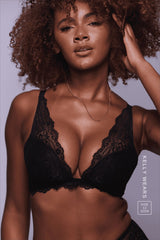


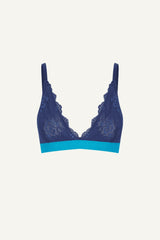


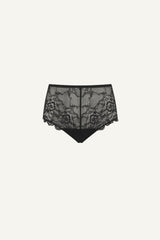


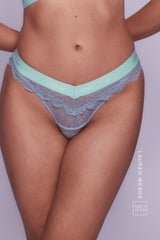
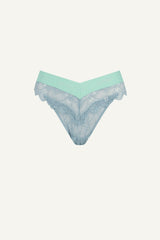
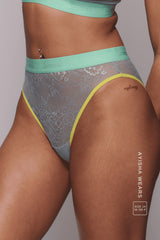
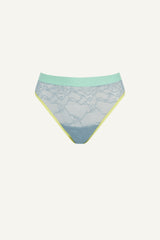


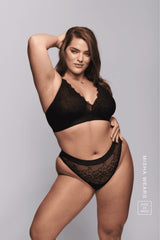




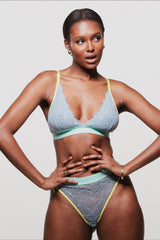



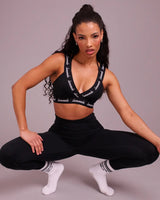
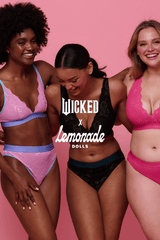




Size representation in lingerie matters because when you see someone who looks like you wearing a bra or bralette, it tells you that product was made for a body like yours. Not aspirationally. Not eventually. Right now, as you are. Representation changes what you believe you deserve — and that shift starts with what brands choose to show you.
Table of Contents
- What Size Representation in Lingerie Actually Means
- The Numbers Behind Lingerie Diversity
- Why Inclusive Lingerie Models Change How You Shop
- What Real Body Underwear Looks Like in Practice
- How Lemonade Dolls Approaches Representation
- What Still Needs to Change
- FAQs
What Size Representation in Lingerie Actually Means
Let’s cut through the noise. Size representation in lingerie isn’t about a brand posting one campaign with a curve model and calling it a day. It’s about consistently showing the full range of bodies that actually buy and wear your products — across every product page, every campaign, every season.
For decades, the lingerie industry operated on a narrow visual template. One body type. One age range. One skin tone. If you fell outside that template, you either didn’t see yourself at all or you found yourself in a separate “plus” category with half the style options and twice the beige.
Size representation lingerie is the commitment to showing real bodies modelling real products across the entire size range — not as a special occasion, but as the default.
Size representation lingerie is not a single photoshoot featuring one model outside the industry’s traditional size standard. That’s a campaign moment. Representation is a structural practice.
The distinction matters because tokenism and representation look similar from a distance. One model in a size 18 on your Instagram feed feels progressive. But click through to the product pages and every bra is photographed on a size 8-10 model? That’s window dressing.
According to research published in the Journal of Consumer Psychology, consumers who see models matching their own body size report measurably higher body satisfaction and stronger purchase intent. Representation isn’t just a feel-good exercise — it directly affects whether someone believes a product will work for them.
With International Women’s Day on 8 March, it’s worth asking a pointed question: how many lingerie brands genuinely show the full range of women who wear their products? The answer, honestly, is still not enough.
The Numbers Behind Lingerie Diversity
The business case for lingerie diversity is overwhelming, yet the industry has been slow to catch up.
According to Statista’s UK apparel market data, the UK plus-size clothing market exceeds £9 billion annually. That’s not a niche segment. It’s a massive, underserved customer base that’s been told, through years of limited size ranges and narrow imagery, that mainstream fashion wasn’t built for them.
Here’s what the data tells us about who’s actually buying lingerie versus who’s being shown in lingerie advertising:
UK Lingerie Market: Who Buys vs. Who’s Represented
| Metric | Reality |
|---|---|
| Industry Imagery | Average UK dress size |
| Size 16 | Most models are size 6-10 |
| Most common UK bra size | 36DD |
| Most imagery features B-D cups | % of women above a DD cup |
| Over 50% | Under 15% of ad imagery |
| Age of typical lingerie buyer | 25-54 (broad range) |
| Models typically 18-25 | Disability prevalence (UK women) |
| Approx. 23% | Near-zero representation |
The gap between reality and representation isn’t subtle. It’s a chasm. And it has real consequences for how people feel about themselves when they’re shopping for something as personal as underwear.
According to research published in the Body Image journal (Elsevier), repeated exposure to narrow beauty standards in fashion advertising is directly linked to lower body satisfaction — particularly among women whose bodies don’t match the images they see. The effect isn’t just about feeling left out. It’s about the slow accumulation of a message that says your body is wrong.
Why Inclusive Lingerie Models Change How You Shop
There’s a practical dimension to representation that goes beyond the emotional. Inclusive lingerie models help you make better buying decisions.
When you see a bra on a model whose body is similar to yours, you get critical information. How does the band sit on a softer midsection? Do the straps stay put on broader shoulders? Does the mesh stretch in a way that flatters a fuller bust or does it pull flat? You can’t answer any of those questions from a single-body-type product photo.
This is why real body underwear imagery matters for fit as much as for confidence. The practical and the emotional aren’t separate — they reinforce each other. Seeing how a piece actually looks on your body type removes the guesswork, reduces returns, and builds trust.
Here’s how representation at the product level affects the buying experience:
How Model Diversity Affects the Shopping Experience
| Shopping Factor | Single Body Type Imagery |
|---|---|
| Diverse Model Imagery | Fit expectation accuracy |
| Low — you’re guessing | High — you can see your size range |
| Return rates | Higher due to unmet expectations |
| Lower with informed purchasing | Customer trust |
| Relies on reviews alone | Built into every product page |
| Time to purchase | Longer — more hesitation |
| Shorter — more confidence in choice | Emotional response |
| “Will this work on me?” | “That looks great on someone like me” |
Brands that invest in photographing products on multiple body types aren’t just being nice. They’re giving you better tools to shop with. And when you shop with confidence, you’re more likely to keep what you buy — which is better for you, the brand, and the planet.
Check the product pages in the Lemonade Dolls bra collection and notice how many show multiple models per style. That’s not an accident. It’s infrastructure.
What Real Body Underwear Looks Like in Practice
Real body underwear is a term that shouldn’t need to exist — all underwear is worn on real bodies, after all. But the phrase exists precisely because the lingerie industry spent decades designing, marketing, and photographing its products as though only one type of body was real.
Real body underwear means three things happening simultaneously:
- The size range covers actual body diversity. Not 32A to 38DD. The full spectrum. Lemonade Dolls offers band sizes 28 to 44 and cup sizes A to K — that’s the kind of range that reflects who’s actually wearing underwear.
- The product photography shows that diversity. You can claim to sell a K cup, but if every photo features a C cup model, you’re not showing customers what the product does for them. Browse the fuller cup collection to see what happens when larger sizes get the same visual treatment as smaller ones.
- The pricing stays consistent. Charging more for a 40G than a 32B sends a clear message about which body is “standard.” Genuine real body underwear brands maintain pricing parity across their range.
Lemon Fuller has spoken openly about this on the Lemonade Dolls About page. She started the brand in 2019 because she couldn’t find a bralette that supported her bust. The industry’s response was essentially that bralettes weren’t for bodies like hers. She disagreed — and built a company around that disagreement. In 2024, she won Retail Entrepreneur of the Year, which suggests the market agreed with her too.
The size guide is another telling detail. Lemonade Dolls uses “real” sizing: a Medium is a UK 14-16. That aligns with the actual average, not the vanity-sized version most brands peddle.
How Lemonade Dolls Approaches Representation
Lemonade Dolls doesn’t treat diversity as a campaign theme — it’s the operating system. Here’s what that looks like across the brand.
Model casting spans the full size range, always. Not for select launches. Not for awareness months. Every shoot features models across sizes, skin tones, ages, and abilities. The brand has worked with disabled models and Paralympic athletes, not as a one-off statement but as a recurring part of its visual identity.
Every collection serves every body. The best sellers aren’t concentrated in medium sizes. Top-performing pieces sell across the 28-44, A-K range because the products were designed for that range from the pattern-cutting stage, not bolted on later.
Gender identity is part of the conversation. The gender affirming collection recognises that lingerie representation has historically centred cisgender women. Trans and non-binary people deserve underwear that affirms their identity with the same quality, style, and thoughtful design.
Inclusive lingerie models is not a seasonal marketing strategy — it’s a year-round commitment that shows up in product photography, campaign imagery, social content, and the range itself.
With International Women’s Day falling on 8 March, it’s a natural moment to recognise the women — all women — that the lingerie industry has historically overlooked. But the point is that representation shouldn’t peak on a single day in March. It should be constant, consistent, and unremarkable in its regularity.
According to GlobalData’s 2024 UK retail analysis, brands with consistent diversity in their imagery outperform competitors on customer loyalty metrics. Shoppers notice when representation is genuine versus performative — and they reward the former with repeat purchases.
What Still Needs to Change
The lingerie industry has come a long way from the days when one body type dominated every billboard and catalogue. But “better than before” isn’t the same as “good enough.”
Here’s where the gaps remain:
High-street availability lags behind online. Brands like Lemonade Dolls are leading the way with inclusive size ranges online, but walk into most high-street lingerie shops and you’ll still find the majority of styles capped at a DD or E cup. For many shoppers, the tactile experience of trying before buying remains limited to a narrow size window.
Disability representation is still rare. While Lemonade Dolls features disabled models and Paralympic athletes in its campaigns, the broader industry largely treats disability as invisible. Adaptive underwear — designs that accommodate mobility differences, prosthetics, or sensory sensitivities — remains a blind spot for most brands.
Age diversity gets overlooked. The average lingerie ad skews heavily toward models in their early twenties. Women in their forties, fifties, sixties, and beyond buy lingerie too. Representing them isn’t about tokenism — it’s about acknowledging the breadth of who your customers actually are.
Intersectionality needs more attention. It’s not enough to show size diversity alone. A truly representative brand shows bodies that reflect multiple dimensions of identity simultaneously — size, race, age, disability, gender identity — because that’s what real people look like.
Lingerie diversity is an evolving standard, not a box to tick. The brands that will lead the next decade are the ones treating representation as continuous improvement rather than a finish line.
The good news? Consumer expectations have shifted permanently. Shoppers — particularly those under 35 — actively seek out brands that reflect their values on inclusivity. The market reward for genuine representation is real and growing.
FAQs
Why does size representation in lingerie matter?
Size representation in lingerie matters because it directly affects how people feel about their bodies. When you only see one body type modelling underwear, you internalise the idea that your body is an exception rather than the norm. Brands that show diverse sizes in their imagery normalise all bodies and make the shopping experience feel welcoming rather than exclusionary. It also helps with practical buying decisions — seeing a product on someone your size gives you real information about fit and appearance.
What is lingerie diversity?
Lingerie diversity means representing the full spectrum of bodies in a brand’s product imagery, marketing, and size offering. This includes size diversity across the full range (not just adding a single plus-size model), racial diversity, disability representation, age diversity, and LGBTQIA+ visibility. True lingerie diversity is woven into every campaign and product page, not reserved for a single awareness day or social media post.
How can I find lingerie brands that use inclusive models?
Look at a brand’s product pages, not just their social media. If every product photo shows the same body type, the brand isn’t practising genuine inclusion regardless of what their About page says. Brands like Lemonade Dolls photograph each piece on multiple body types across their full size range (28-44 band, A-K cup) and feature models of different ethnicities, ages, and abilities as standard. Check the full bra collection for an example of how this looks in practice.
Does seeing your body type in lingerie ads improve body confidence?
Yes. Research published in the Journal of Consumer Psychology found that consumers who see models matching their own body type report higher body satisfaction and greater purchase intent. Representation validates your body as it is right now, rather than positioning it as something that needs to change before it deserves nice underwear. The effect works even on product pages — seeing your size on a model helps you shop with confidence rather than anxiety.
What sizes does Lemonade Dolls offer?
Lemonade Dolls carries band sizes 28 to 44 and cup sizes A to K. The brand uses real sizing, meaning a Medium corresponds to a UK 14-16 rather than the smaller sizing common in mainstream lingerie. Every style is available across the full size range, and the same designs appear in the fuller cup collection as in the core range. Check the size guide for exact measurements.
