




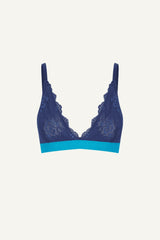






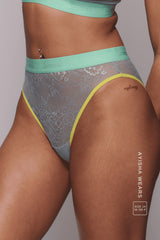


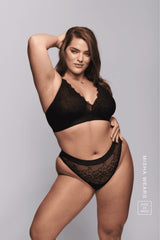
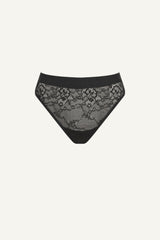


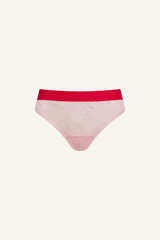













Finding the perfect fit is key to unlocking the true comfort of a bralette. Forget the rigid rules of wired bras; how a bralette fit is all about flexible, all-day ease. Focus on ensuring the band is snug but not digging, as this provides 80% of your flexible bralette support. The right soft bralette comfort fit moves with your body, not against it.
Bralettes have revolutionised daily comfort, but fitting them can sometimes feel confusing, especially when transitioning from traditional cup-and-band sizes to the simpler S/M/L system. Unlike a wired bra that relies on rigid structure and underwires, a bralette relies on material, tension, and intelligent design.
At Lemonade Dolls, our non wired bralette fit tips prioritise flexibility and softness. Here is your definitive guide to achieving the perfect, comfortable fit that lasts all day.
1. The Foundation: Mastering the Band Fit
The band is the most crucial part of any bra or bralette - it provides the vast majority of the support. A great fit starts here.
Solving Bralette Sizing Confusion
The core of bralette sizing confusion is that S/M/L sizes often vary significantly between brands, making it essential to measure your underbust (the ribcage measurement) and compare it to the brand's specific chart. Once you have the right size, check the fit:
-
The Snug Test: The band should feel snug and level, sitting horizontally across your back, beneath your shoulder blades. You should be able to comfortably fit two fingers underneath the band, but no more.
-
The Lift Test: The band should provide enough lift that the shoulder straps don't have to strain. If the straps are digging in, your band is too loose, and it's not providing the necessary support.
2. The Difference: Flexible Support
The most important aspect of how a bralette fits is its ability to move with you.
Comfort That Adapts
A wired bra creates support through rigidity and separation, but a bralette provides support through gentle hold and tension. The goal of a soft bralette comfort fit is all-day ease rather than extreme lift and cleavage.
Your flexible bralette support should feel like a second skin, comfortably holding the bust in place without restriction. A well-fitted bralette should not shift, ride up, or feel restrictive when you stretch, bend, or sit.
3. Checking the Coverage and Straps
Since there are no underwires to define the cup shape, you must check the fabric enclosure closely to ensure a smooth, flattering fit.
Look for Smooth Encasing
For the best non wired bralette fit tips, ensure the fabric smoothly encases the entire bust. Look for these signs of a perfect cup fit:
-
No Spillage: There should be no significant bulging or "quad-boob" at the top, front, or sides. If the fabric is pulling thin, the size is too small.
-
No Gaping: The fabric should lie flush against the skin, especially along the neckline. Gaping means the fit is too large, or the style isn't right for your shape.
-
Strap Comfort: Straps should be adjusted to be taut enough to hold the fabric smooth, but they should never bear the weight of the bust. If your straps are digging in, your band is too loose.
By focusing on the band first and then checking the fabric for a smooth, natural encasing, you unlock the true potential of the bralette - unrestricted, comfortable bralette for daily wear.
Sources and References
-
bralette size chart UK band fit - Bralette Sizing: Your Complete Guide to Finding the Perfect Fit: https://www.wacoal.co.uk/blog/bralette-sizing-your-complete-guide-to-finding-the-perfect-fit/
-
flexible bralette support movement - Bralette Fit: A Guide to Finding Your Perfect Fit: https://www.thirdlove.com/blogs/thirdlove-blog/bralette-fit-guide
-
non wired bralette fit tips coverage - Finding the Perfect Bralette - The Ultimate Fit Guide: https://www.journelle.com/blogs/the-journal/finding-the-perfect-bralette-the-ultimate-fit-guide
- how should a bralette fit compared to bra - Wired vs. Non-Wired: Which Bra Is Right for You?: https://www.bouxavenue.com/the-avenue/help-and-advice/wired-vs-non-wired-bra
