




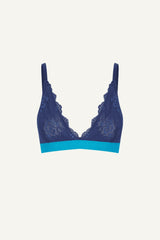


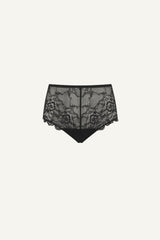


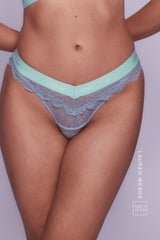
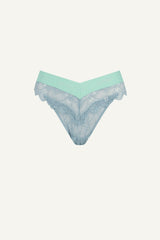
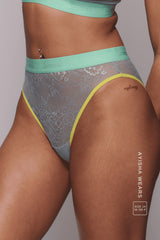
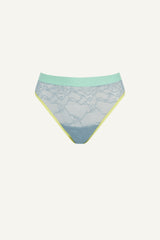


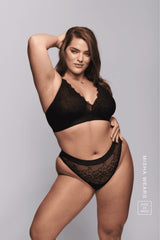
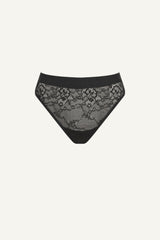














An underwear drawer refresh starts with one honest look at what you’ve actually got in there. If you’re holding onto stretched-out bras, greying knickers, and pairs you haven’t touched in a year, January is the perfect time to clear out, reorganise, and replace what’s no longer serving you. Here’s exactly how to do it — and what’s worth keeping.
Table of Contents
- Why January Is the Right Time for an Underwear Drawer Refresh
- Signs It’s Time to Clear Out Bras and Knickers
- How to Declutter Your Underwear Drawer Step by Step
- How to Organise Your Underwear Drawer Once It’s Edited
- Rebuilding Your Basics: What Actually Belongs in Your Drawer
- What to Do With Old Underwear (Don’t Bin It)
- FAQs
Why January Is the Right Time for an Underwear Drawer Refresh
There’s a reason the new year makes people want to sort their lives out. It’s a natural reset point — and your underwear drawer deserves the same attention as your wardrobe, your kitchen cupboards, or your skincare shelf.
Most of us don’t think about underwear until something goes wrong. A bra strap snaps mid-commute. An elastic gives up entirely. You reach for your go-to knickers and realise they’ve been washed so many times they’re practically transparent. By that point, you’re well overdue for a refresh.
According to a 2023 survey by YouGov, nearly one in three UK adults admit to keeping underwear for two years or longer — well past the point where most pieces maintain proper hygiene, elasticity, and shape. The new year gives you a firm calendar anchor to actually deal with it.
An underwear drawer refresh is a practical reset that improves your daily comfort, helps you spot sizing changes, and prevents you from cycling through the same three tired pairs while 15 others sit untouched at the back.
An underwear drawer refresh is not an excuse to panic-buy a full new wardrobe in one go. It’s about editing what you have, keeping what works, recycling what doesn’t, and filling genuine gaps thoughtfully.
Signs It’s Time to Clear Out Bras and Knickers
Not sure what stays and what goes? Use this checklist. If a piece hits two or more of these signs, it’s time to retire it.
| When to Keep vs. When to Clear Out Bras and Knickers | Sign |
|---|---|
| What It Means | Verdict |
| Elastic has lost its stretch | The band rides up, waistbands sag, or legs gape |
| Recycle | Fabric is thinning or pilling |
| Material is breaking down from repeated washing | Recycle |
| You’re fastening your bra on the tightest hook | The band has stretched beyond its effective support range |
| Replace | Underwire is poking through |
| The casing has worn thin — this won’t improve | Recycle immediately |
| Straps slide constantly even after adjusting | The elastic in the straps has fatigued |
| Replace | You skip past it every single time |
| If you never choose it, it’s just taking up space | Recycle or donate |
| Your size has changed | Weight shifts, hormones, or life changes affect fit |
| Replace with correct size | Persistent discolouration despite washing |
| Fabric is past its hygienic lifespan | Recycle |
According to the University of Portsmouth’s breast health research group, roughly 80% of women in the UK wear the wrong bra size — and holding onto bras that no longer fit only makes the problem worse. Your body changes. Your underwear should change with it.
If you’re unsure about your current size, Lemonade Dolls’ size guide walks you through measuring at home properly. Five minutes with a tape measure can save you months of unnecessary discomfort.
How to Declutter Your Underwear Drawer Step by Step
Here’s a straightforward method that actually works. Set aside 20 minutes — that’s genuinely all it takes.
Step 1: Empty everything out. Every bra, every pair of knickers, every random strapless thing you bought for one wedding and never touched again. Pile it all on your bed.
Step 2: Sort into three piles. Keep, recycle, and maybe. Be ruthless with the maybe pile — if you haven’t worn it in six months and there’s no specific occasion you’re saving it for, it goes into recycle.
Step 3: Check what you’re keeping. Try on any bras you’re unsure about. Fasten them on the loosest hook (that’s how a new bra should fit). If the band rides up or the cups wrinkle, the fit is off. Run through the checklist above for knickers.
Step 4: Identify the gaps. What’s missing from your keep pile? Most people find they need more everyday basics and fewer “special occasion” pieces gathering dust.
Step 5: Make a shopping list. Write down exactly what you need before you buy anything. This stops impulse purchases and keeps your drawer intentional.
According to decluttering expert and author Marie Kondo’s KonMari method, folding underwear into visible, upright rows rather than stacking flat means you actually see — and use — everything you own. It’s a small shift that eliminates the “forgotten knickers at the back of the drawer” problem entirely.
How to Organise Your Underwear Drawer Once It’s Edited
Once you’ve cleared out what doesn’t belong, organising your underwear drawer properly means you’ll actually maintain it — rather than watching it descend back into chaos by March.
For knickers: Fold each pair into thirds (crotch up, waistband over), then stand them upright in rows. You should be able to see every pair at a glance when you open the drawer. Drawer dividers or small boxes help keep rows neat, but they’re not essential.
For bras: Stack them cup-side up, one behind the other, with the cups nested together. Never fold a moulded bra in half — it creases the cup permanently. Wireless bralettes can be folded flat since they don’t have rigid cups, but they still benefit from being visible rather than buried.
Underwear Drawer Organisation by Category
| Category | Storage Method |
|---|---|
| Ideal Quantity | Everyday knickers |
| Folded in thirds, standing upright | 10-14 pairs |
| Everyday bras/bralettes | Cup-side up, nested or flat-folded |
| 3-4 | Sports bras |
| Folded flat or rolled | 2-3 |
| Occasion/going-out pieces | Separate section or small pouch |
| 1-2 sets | Strapless/low-back bras |
| Cup-side up at the end of the bra row | 1 |
A well-organised drawer should feel like a curated edit, not a lucky dip. If you can’t see it, you won’t wear it — and if you won’t wear it, it shouldn’t be in there.
Rebuilding Your Basics: What Actually Belongs in Your Drawer
After your underwear declutter, you’ll probably find gaps. That’s normal. Most people over-index on impulse buys and under-invest in comfortable, hardworking everyday basics.
Here’s what a well-rounded underwear drawer actually looks like:
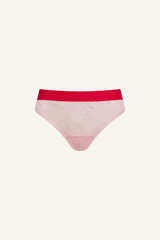
Everyday knickers (10-14 pairs). These are your workhorses. You want fabric that breathes, holds its shape through dozens of washes, and feels good from morning to night. Biodegradable modal — like the fabric used in Lemonade Dolls’ Everyday Eco collection — ticks all three boxes. It’s softer than cotton, doesn’t trap odour like synthetics, and lasts significantly longer than budget polyester. The briefs collection has multiple cuts so you can pick what suits your body and preferences.
Everyday bras (3-4). Rotating between three or four bras extends each one’s lifespan considerably. The elastic needs at least 24 hours to recover its shape between wears. Wireless styles from the full bra collection are brilliant for daily comfort, particularly if you’ve been wearing underwired bras that no longer fit properly.
The “nothing else will work” pieces (1-2). A strapless bra for specific necklines. A low-back option if you wear backless tops. Only keep these if you’ve genuinely needed them in the past year.
A couple of pieces that make you feel great. Your drawer shouldn’t be purely utilitarian. A matching set you love, a bold colour, something you actually look forward to wearing — that’s part of the point.
Check Lemonade Dolls’ best sellers to see what other people are building their drawers around. It’s a useful shortcut when you’re not sure where to start.
What to Do With Old Underwear (Don’t Bin It)
This is where most underwear drawer refresh attempts fall down. You’ve done the hard work of sorting and decluttering, and now you’ve got a pile of old bras and knickers. The easy option is to chuck them in the general waste. Don’t.
According to WRAP (Waste and Resources Action Programme), approximately 350,000 tonnes of clothing reach UK landfill annually. Underwear contributes disproportionately to that figure because charity shops can’t resell it and most people aren’t aware of alternatives.
Here’s what to do instead:
Textile recycling programmes. Lemonade Dolls partners with TerraCycle to accept worn-out underwear for responsible processing. The materials get broken down and repurposed rather than sitting in landfill for centuries. Check the transparency page for details on how the programme works.
Council textile banks. Many local councils have textile recycling points that accept underwear alongside other clothing. Check your council’s website — you’d be surprised how many options exist within a short drive.
Brand take-back schemes. A growing number of underwear brands offer postal recycling. You send old pieces back in a prepaid envelope, and the brand handles the rest.
When to clear out bras with underwiring specifically, it’s worth knowing that the metal and plastic components can be separated and recycled individually through specialist textile processors. TerraCycle handles this, but your standard clothing bank may not — so check before dropping them in.
The goal is simple: nothing from your drawer should end up in general waste. Not when recycling routes exist. Not when synthetics take over 200 years to break down.
FAQs
How often should you replace your underwear?
Most underwear experts recommend replacing knickers every 6 to 12 months, depending on fabric quality and wash frequency. Bras typically last 9 to 18 months with regular rotation. Higher-quality fabrics like biodegradable modal — such as those in the Everyday Eco range — can push that to 2-3 years with proper care. The real test isn’t the calendar; it’s the checklist above. If the elastic’s gone, the fabric’s thinning, or the fit has shifted, it’s time.
How many bras should you own?
A well-edited bra drawer typically holds 4 to 7 bras: 2-3 everyday styles, 1 strapless or low-back option, and 1-2 pieces you love wearing. Quality matters more than quantity. Three bras that fit properly will always outperform a drawer stuffed with ten that don’t. Use the size guide to double-check your measurements before buying replacements.
What should I do with old bras and knickers?
Don’t bin them. Textile recycling programmes like Lemonade Dolls’ TerraCycle partnership accept worn-out underwear and process the materials responsibly. Some councils also operate textile recycling points that take underwear. Charity shops generally won’t accept used underwear for hygiene reasons, but recycling keeps it out of landfill where synthetic fabrics can take over 200 years to break down.
How do I organise my underwear drawer properly?
Start by emptying everything and sorting into keep, recycle, and maybe piles. Fold knickers into thirds and stand them upright so you can see every pair at a glance. Store bras cup-side up, never folded in half, to preserve their shape. Use drawer dividers to separate everyday basics from occasional pieces. The key is visibility — if you can see everything when you open the drawer, you’ll actually rotate through it evenly.
Is it worth investing in more expensive underwear?
Yes. A pair of well-made biodegradable modal knickers at £12-£18 lasts 2-3 years, working out at roughly 1-2p per wear. A £2 fast fashion pair that loses shape in four months costs more per wear and generates three times the waste. Better fabrics also mean better comfort, breathability, and fit over time — which matters for something you wear every single day.
