




















Meta Description: Lace, mesh or modal — which underwear fabric suits you best? Compare comfort, breathability and durability in our honest underwear fabric comparison guide.
Every underwear drawer tells a story — and a lot of that story comes down to fabric. Whether you’re after something decorative, barely-there or eco-conscious, the material pressed against your skin all day matters more than most people realise. Here’s an honest underwear fabric comparison to help you pick the right one.
Table of Contents
- What Makes a Good Underwear Fabric?
- Lace: The Decorative Workhorse
- Mesh: Lightweight and Breathable
- Modal: The Sustainable Soft Option
- Side-by-Side Fabric Comparison
- How to Choose the Right Fabric for You
- FAQs
What Makes a Good Underwear Fabric?
Before diving into specific materials, it helps to know what actually matters in an underwear fabric. Not all fabrics perform equally across the criteria that count.
According to the Hohenstein Institute, a textile testing body in Germany, the three measurable factors that most affect underwear comfort are moisture management, skin-surface friction and thermal regulation. In plain English: can the fabric wick sweat, does it rub, and does it trap heat?
Beyond those technical markers, you’ll also want to think about:
- Durability — how many washes before it pills, sags or loses elasticity
- Aesthetic — whether you want something decorative, invisible under clothes or somewhere in between
- Sustainability — what the fabric’s made from and where it ends up after you’re done with it
- Certification — whether the dyes and finishes have been tested for harmful substances
Lemonade Dolls is not a brand that cuts corners on certification. Every fabric across our Signature Lace, So Soft Mesh and Everyday Eco collections holds OEKO-TEX Standard 100 certification, meaning each material has been independently tested for over 100 harmful substances. You can read more on our Transparency page.
Lace: The Decorative Workhorse
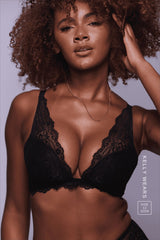
Lace has been used in undergarments since the 16th century, and there’s a reason it hasn’t gone anywhere. It looks good. But modern lace underwear is a world away from the scratchy, rigid stuff your nan might remember.
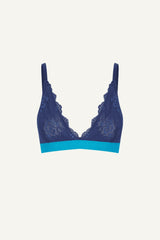
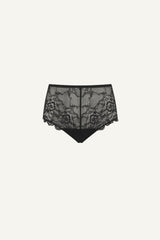
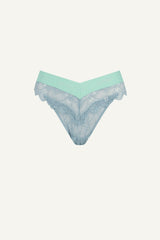
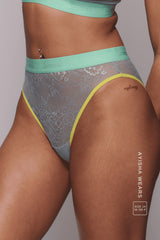
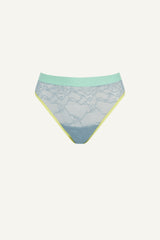
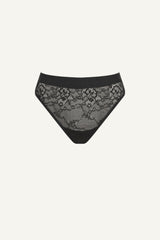
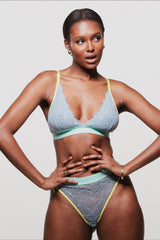
Today’s stretch lace blends nylon or polyester with elastane, giving it a forgiving, body-hugging fit. The best lace underwear comfort comes from pairing that stretch lace with a softer backing fabric — which is exactly what we do in our Signature Lace collection. The lace sits on top; power mesh sits underneath, so you get the look without the itch.
Where lace shines:
- Decorative appeal — it simply looks stunning under sheer tops or on its own
- Texture and dimension that flat fabrics can’t replicate
- Available in a huge range of patterns and colours
Where it falls short:
- Lower-quality lace can irritate sensitive skin
- Delicate patterns are prone to snagging in the wash
- Not the most breathable option in hot weather
Lace isn’t just a “special occasion” fabric. When it’s backed with mesh and constructed thoughtfully, it handles daily wear perfectly well. The key is construction quality, not the lace itself.
According to Textile Research Journal, the moisture vapour transmission rate (MVTR) of lace fabrics varies enormously depending on pattern density — open, airy lace patterns can actually breathe better than some knit cottons.
Mesh: Lightweight and Breathable
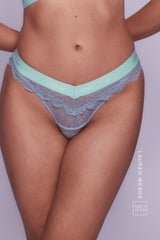
If lace is the show-off, mesh is the quiet achiever. Power mesh — a finely woven fabric with four-way stretch — has become one of the best underwear materials for people who want support without structure.
You’ll find it in sports bras, post-surgical garments and everyday bralettes alike. That versatility says a lot about its performance.
Why mesh works so well for underwear:
- Breathability — the open weave lets air circulate freely, reducing moisture build-up
- Stretch and recovery — power mesh bounces back to shape wash after wash
- Lightweight — it practically disappears under clothing
- Smooth lines — no texture to show through fitted tops
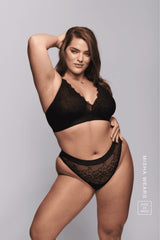
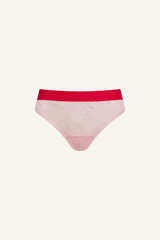
Our So Soft Mesh range uses stretch power mesh across the full size range (XS–3XL). It’s the collection customers reach for when they want something they genuinely forget they’re wearing.
When comparing mesh vs lace bra options, think about your priorities. Mesh delivers on comfort and invisibility; lace delivers on decoration and visual texture. Neither is objectively better — they solve different problems.
Mesh isn’t flimsy. That’s a common misconception. Power mesh in particular has a high stretch-recovery ratio, meaning it provides genuine hold without relying on underwire or rigid boning.
Modal: The Sustainable Soft Option
Modal is a semi-synthetic fibre made from beechwood pulp. If that sounds unusual, consider this: according to Lenzing AG, the world’s leading modal producer, beech trees require no artificial irrigation and use roughly ten times less water per kilogram of fibre than conventional cotton.
Our Everyday Eco collection uses a fabric blend that’s 91% biodegradable modal. It’s the softest fabric in our entire range — customers regularly compare the feel to a broken-in vintage tee.
What makes modal stand out:
- Softness — it gets softer with every wash, not rougher
- Absorbency — 50% more absorbent than cotton by weight (per Lenzing AG data)
- Anti-pill — the smooth fibre surface resists the bobbling that plagues cotton after a few washes
- Sustainability — biodegradable and sourced from renewable beechwood
Where it has limits:
- Less decorative than lace — it’s a smooth, flat fabric
- Doesn’t offer the structured support of power mesh
- Slightly higher price point than basic cotton
If your priority is finding the best underwear material for sensitive skin, modal deserves serious consideration. Its smooth fibre surface produces very low skin-surface friction, which makes it a go-to for anyone prone to chafing or contact irritation.
Side-by-Side Fabric Comparison
Here’s where it gets practical. These two tables break down how lace, mesh and modal compare across the factors that actually matter day to day.
Table 1: Performance Comparison
Factor |
Lace (with mesh backing) |
Power Mesh |
Modal |
|---|---|---|---|
Breathability |
Moderate |
High |
High |
Softness |
Moderate |
Moderate–High |
Very High |
Stretch & Recovery |
Good |
Excellent |
Good |
Moisture Wicking |
Low–Moderate |
Moderate |
High |
Durability |
Moderate (snag risk) |
High |
High |
Visibility Under Clothes |
Can show texture |
Very low |
Very low |
Support Level |
Moderate |
High |
Low–Moderate |
Table 2: Best Use Cases by Fabric
Scenario |
Recommended Fabric |
Why |
|---|---|---|
Daily wear in warm weather |
Mesh |
Maximum airflow, minimal weight |
Sensitive or easily irritated skin |
Modal |
Lowest friction, softest hand-feel |
Date night or confidence boost |
Lace |
Decorative, textural, statement-making |
Under tight-fitting clothes |
Mesh |
Smooth lines, no show-through texture |
Eco-conscious everyday wear |
Modal |
Biodegradable, low water footprint |
All-day support without underwire |
Mesh |
Power mesh stretch-recovery holds shape |
Post-wash longevity |
Modal or Mesh |
Both resist pilling and shape loss |
Browse all options in one place: All Bras | Best Sellers
How to Choose the Right Fabric for You
Choosing the best underwear material isn’t about ranking fabrics from best to worst. It’s about matching the fabric to your life.
Start with your biggest frustration. If you overheat easily, mesh is your answer. If underwear tags and seams drive you mad, modal’s smooth construction will feel like a relief. If you want something that makes you feel put-together the moment you get dressed, lace does that in a way no other fabric can.
Here’s a quick decision framework:
- Comfort is top priority → Start with Everyday Eco (modal)
- You want invisible support → Try So Soft Mesh
- You want to feel something when you get dressed → Go for Signature Lace
- You want variety → Build a rotation with all three
Most people don’t need to pick just one fabric. A well-rounded underwear drawer has different fabrics for different days, moods and outfits. That’s not indecision — it’s common sense.
And whatever you choose, look for certifications. OEKO-TEX Standard 100 is the baseline you should expect from any brand that claims to care about what touches your skin. You can see exactly what that means for our products on the Lemonade Dolls Transparency page.
FAQs
What is the most breathable underwear fabric?
Mesh is typically the most breathable underwear fabric because of its open-weave structure, which allows maximum airflow against the skin. Modal also breathes well thanks to its micro-fibre construction, while lace breathability depends on the density of the pattern.
Is lace underwear comfortable for everyday wear?
Yes — when it’s well-constructed. Look for lace backed with soft power mesh or lined gussets, which prevent irritation while keeping the decorative look. Our Signature Lace range pairs lace with power mesh for all-day wearability.
Is modal better than cotton for underwear?
Modal is 50% more absorbent than cotton per unit weight, according to Lenzing AG. It’s also softer after repeated washes, resists pilling and holds its shape longer. For people with sensitive skin or those after a sustainable option, modal’s an excellent cotton alternative.
Which underwear fabric lasts the longest?
When cared for properly, mesh and modal tend to outlast lace. Mesh resists snagging due to its uniform weave, while modal retains its softness and shape through dozens of washes. Lace can last well too, but delicate patterns may snag if tumble-dried or washed roughly.
Can mesh bras provide enough support?
Absolutely. Power mesh offers strong stretch-and-recover properties that hold you in place without underwire. It’s widely used in sports and activewear for exactly this reason. Our So Soft Mesh collection uses power mesh to deliver gentle support across sizes XS to 3XL.
Published: 9 November 2026 | Lemonade Dolls — Inclusive lingerie for every body.
External Citations: 1. Hohenstein Institute — Textile comfort testing standards: https://www.hohenstein.com 2. Lenzing AG — Modal fibre sustainability and performance data: https://www.lenzing.com 3. Textile Research Journal — Moisture vapour transmission research: https://journals.sagepub.com/home/trj
