















Is it bad to sleep in a bra? In short, no. There's no medical evidence that sleeping in a bra is harmful, it won't cause breast cancer, stunt growth, or prevent sagging. Whether you wear one to bed comes down to comfort and preference. The only real rule is to skip tight, underwired or ill-fitting styles overnight.
- The honest verdict on sleeping in a bra
- Sleeping-in-a-bra myths, debunked
- Real benefits and drawbacks
- The comfiest bras to sleep in
- How to choose a sleep bra that fits
- FAQs
The honest verdict on sleeping in a bra
Let's settle it: sleeping in a bra is a personal choice, not a health risk. According to Cleveland Clinic, there's no medical reason you can't sleep in a bra, and whether you do comes down to comfort and personal preference. Some people feel more secure; others prefer to go without. Both are completely fine.
To be crystal clear: sleeping in a bra is a matter of personal comfort. It is not a medical necessity, nor is it dangerous for healthy breasts. The one sensible caution is the type of bra, a tight, underwired or badly fitting one can irritate skin overnight, which we'll cover below. If you're rethinking your nighttime routine generally, our sleep edit is full of soft, comfortable ideas.
Sleeping-in-a-bra myths, debunked
Plenty of scary claims float around, and most don't hold up. According to Cancer Research UK, the belief that bras cause breast cancer is a persistent myth with no scientific evidence behind it, and a 2014 study of around 1,500 women found no link between bra-wearing habits and breast cancer risk.
| Myth | The reality |
|---|---|
| Sleeping in a bra causes breast cancer | No evidence; a 2014 study found no link |
| It stops your breasts sagging | No, sagging is genetics, ageing and skin elasticity |
| It makes breasts sag | Also untrue, no scientific support either way |
| It stunts breast growth or circulation | A well-fitting, non-tight bra does neither |
The takeaway: don't let myths drive your decision. Sagging in particular is shaped by genetics, ageing, pregnancy and weight changes, not by what you do or don't wear to bed. For more on tuning out the noise and tuning into your body, our piece on feel-good fits for every body is a lovely reset.
Real benefits and drawbacks
If myths are off the table, what's actually true? There are small, genuine pros and cons, and they vary by body. For fuller busts especially, a soft sleep bra can reduce overnight breast movement and ease discomfort. The University of Portsmouth Research Group in Breast Health has spent years measuring how supportive design reduces breast movement, the same principle that can make a gentle night bra feel comforting for some people.
| Potential benefit | Potential drawback |
|---|---|
| Less breast movement, useful for fuller busts | Tight bands can leave marks or restrict |
| Feeling of security and support | Underwires may dig when lying down |
| Can ease nighttime breast discomfort | Warm, non-breathable fabric may irritate skin |
The drawbacks are all about the wrong bra, not bras in general. Tight elastic, underwires and non-breathable fabric are the things to avoid overnight, not the act of wearing one.
The comfiest bras to sleep in
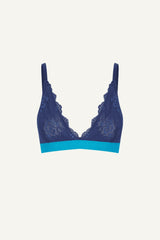
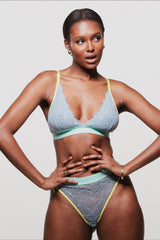
If you do want support at night, comfort is everything, soft, wireless and breathable wins. A good sleep bra is a gentle, stretchy, wire-free layer. It is not a tight, structured daytime bra pressed into overnight duty. A bralette is the natural pick: no underwire, a gentle band and stretchy, kind-to-skin fabric. Our signature lace bralette is soft enough for sleep, and for fuller busts a fuller-cup bralette offers easy, wire-free support that won't dig when you lie down.
Prefer the lightest possible feel? A flexi-wire Flex bra bends and moves with you, giving a hint of shape without rigid wires. Whatever you choose, breathable fabric matters against skin all night, our explainer on why modal fabric is a drawer essential shows why temperature-regulating fibres feel so good after dark. New to wire-free? Our bralette vs bra guide helps you pick.
How to choose a sleep bra that fits
The fit rules for a sleep bra are simple: nothing tight, nothing digging, nothing that leaves a mark. The band should feel snug but never constricting, with no red lines when you take it off in the morning. Skip underwires if you sleep on your side, and choose breathable fabrics so skin can breathe through the night.
If you're unsure of your size, start with our guide to measuring your bra size at home, the right size is what makes any bra, day or night, feel like nothing at all. And remember: sleeping braless is just as valid. The best choice is whichever lets you sleep soundly and wake comfortable.
Who benefits most from a sleep bra?
Sleeping in a bra isn't one-size-fits-all advice, it genuinely depends on your body and what feels good. Some people barely notice their breasts at night and happily go braless; others find a little gentle support helps them settle. Neither is right or wrong, but a few groups tend to feel the difference more.
| If you... | You might prefer | Why |
|---|---|---|
| Have a fuller bust | A soft, wire-free sleep bra | Reduces overnight movement and discomfort |
| Are pregnant or postpartum | A gentle, stretchy bralette | Eases tenderness, adapts to changes |
| Run warm or have sensitive skin | Breathable fabric or braless | Avoids irritation and overheating |
| Sleep on your side | Wire-free, soft band | Nothing rigid to dig in |
The thread running through all of it is comfort, never compression. If a bra leaves marks, feels tight, or you're aware of it as you drift off, it's the wrong one for sleep, not a sign you should give up on the idea.
It's worth saying that your preference can change over time, and that's completely normal. You might love a soft sleep bra during a tender week of your cycle and happily go without the rest of the month, or find your needs shift through pregnancy, postpartum or simply as your body changes. There's no need to pick a side once and stick to it. Listen to what feels good on any given night and let that, not a rule from the internet, be your guide.
However you land, the bigger picture is feeling at home in your own skin. There's real value in choosing nightwear and underwear that make you feel good rather than following a rule, something our piece on the mental health benefits of feeling good in your underwear explores beautifully. Wear a bra to bed or don't, the only wrong answer is one that keeps you uncomfortable.
Caring for your sleep bra so it stays soft
A sleep bra earns its place by being gentle, so keep it that way with a little care. Soft, wire-free styles in lace, mesh or modal last longest when they're washed kindly, heat and harsh cycles are what flatten the stretch and roughen the fabric over time.
| Do | Avoid |
|---|---|
| Hand-wash or use a delicates bag | Hot washes that break down elastic |
| Wash cool and gentle | Tumble drying soft cups |
| Air-dry flat to keep shape | Wringing or twisting the fabric |
| Rotate a couple of pairs | Sleeping in the same bra every night unwashed |
Rotating two or three soft bras gives each one time to recover its stretch between wears, so they keep that gentle, no-dig feel that makes them comfortable to sleep in. Treated well, a good bralette stays soft and supportive for ages, which is exactly what you want against your skin overnight. And if a once-comfy sleep bra has gone tired or saggy, our guide to spotting when it's time to move on from an old bra will help you know when to refresh it.
FAQs
Is it bad to sleep in a bra?
No. There's no medical evidence that sleeping in a bra is harmful. It won't cause breast cancer or stop your breasts from growing, and it won't prevent sagging. Whether you wear one to bed is purely down to comfort and preference. The only real caution is avoiding tight, underwired or ill-fitting bras overnight, which can irritate skin.
Does sleeping in a bra cause breast cancer?
No. According to Cancer Research UK, the idea that bras cause breast cancer is a myth, with no scientific evidence to support it. A 2014 study of around 1,500 women found no link between bra-wearing and breast cancer risk. Sleeping in a bra has no bearing on your cancer risk.
Does sleeping in a bra prevent sagging?
No. There's no scientific evidence that wearing a bra at night prevents breasts from sagging. Sagging is driven by factors like genetics, ageing, pregnancy, weight changes and the natural loss of skin elasticity over time, not by whether you sleep braless.
What kind of bra is best to sleep in?
If you choose to wear one, pick a soft, wireless, non-restrictive style like a bralette in a breathable fabric. Avoid tight bands, underwires and anything that leaves marks. A comfortable sleep bra can ease breast movement and discomfort, especially for fuller busts, without restricting you overnight.
Why do some people prefer to sleep in a bra?
Comfort, mostly. People with fuller busts may find a soft bra reduces breast movement and overnight discomfort, and some simply feel more secure. Others sleep braless to let skin breathe. Neither is healthier, it's whatever feels best for your body.
