




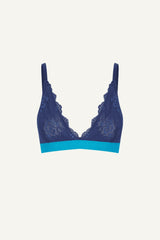













To stop bra straps slipping, fix the fit from the band up: a band that's too loose is the number-one culprit, so tighten it or size down, then shorten the straps so two fingers fit snugly underneath. If they still slide, switch to wider, closer-set or convertible straps. Slipping straps are almost always a fit problem, not a you problem.
- Why bra straps slip in the first place
- Fix the band before the straps
- How to adjust your straps properly
- Shoulder shape and strap placement
- Bra styles that keep straps up
- FAQs
Why bra straps slip in the first place
Slipping straps usually point to a fit issue, not a defect. The band, not the straps, is meant to carry most of your support. When the band is too loose it rides up your back, the weight shifts to the straps, and they slide off your shoulders. According to the University of Portsmouth Research Group in Breast Health, an adjustable, supportive underband is one of the key features that makes a bra effective, evidence that the band is doing the heavy lifting.
So here's the clarity: a bra strap is a fine-tuning adjustment for lift and stability. It is not the main source of support, that job belongs to a firm, level band. Other common causes of slipping include straps left too loose, the wrong cup size, naturally narrow or sloping shoulders, and tired elastic in an older bra. Speaking of which, our guide to signs it's time to replace your bra is worth a read if yours has lost its grip.
Fix the band before the straps
Tackle the band first, every time. If it's loose, no amount of strap-tightening will hold, it'll just dig into your shoulders. A correctly fitting band sits firm and level all the way around, parallel to the floor, without riding up at the back. The band is the foundation that carries your support. It is not meant to ride up, gape, or shift when you move.
| Band sign | What it means | Fix |
|---|---|---|
| Band rides up at back | Too loose | Tighten a hook, or go down a band size |
| Straps carry all the weight | Band not supporting | Firmer band, up a cup if you size down |
| Two+ fingers slide under band easily | Too loose | Down a band size |
| Band digs / can't breathe | Too tight | Up a band size, down a cup |
The rule of thumb: when you go down a band size, go up a cup size to keep the same cup volume. Not sure where you sit? Our walkthrough on how to measure your bra size at home gets you an accurate starting point.
How to adjust your straps properly
With a solid band sorted, fine-tune the straps. They should feel snug but comfortable, you want to slide two fingers underneath with a little resistance, no more. To tighten, slide the adjuster up toward the cup; the closer the slider sits to the cup, the shorter and firmer the strap.
Check both sides, as many people have one shoulder slightly lower. Re-adjust every few wears, since straps stretch with wear and washing. According to research from the University of Portsmouth's decade of breast-biomechanics testing, adjustable shoulder straps are among the design features that make a real difference to support, so it's worth getting them dialled in rather than ignoring them. If a strap is fully shortened and still slips, the problem is back to fit or shoulder shape, not the strap length.
Shoulder shape and strap placement
Sometimes the straps are fine and your shoulders are simply sloping or narrow-set, which lets straps drift outward and fall. That's a styling puzzle, not a flaw. The fix is bringing the straps inward or widening the contact area so they grip.
| Shoulder type | Strap challenge | Best solution |
|---|---|---|
| Sloping | Straps slide off the edge | Racerback or J-hook to pull straps in |
| Narrow-set | Straps sit too wide | Closer-set straps or convertible style |
| Broad | Straps feel tight or dig | Wider, cushioned adjustable straps |
| Even/average | Usually a band/strap-length fix | Tighten band, shorten straps |
A J-hook clip or a convertible racerback setting draws the straps together at the back so they can't slide. Wider, cushioned straps also spread the load and grip better than skinny ones.
Bra styles that keep straps up
If you've fought slipping straps for years, the style itself can solve it. Bralettes are often cut with closer-set, wider straps and a snug, even band, so there's less to slip, and they're seriously comfortable. Our signature lace bralette is a great everyday option, and for a little structure with flexible support, The Flex flexi-wire bra moves with you while keeping everything in place.
Want more support without losing comfort? Our take on high-support bralettes shows how a well-engineered band and strap setup can hold you all day. It's a comfort question that runs into the night too, according to Cleveland Clinic, a well-fitting, non-restrictive bra is the comfortable choice if you wear one to bed, the same fit principles that stop daytime straps slipping. For the full picture, see our guide to finding a bra that compliments your shape.
Quick fixes vs long-term solutions
Sometimes you need a strap to behave right now, and sometimes you need to solve it for good. Both are worth knowing. The quick fixes get you through the day; the long-term ones mean you stop fighting your bra altogether.
| Approach | What to do | How lasting |
|---|---|---|
| Right-now fix | Tighten the straps a notch, or clip a J-hook to pull them in | Temporary, for the day |
| Same-day fix | Tighten the band a hook tighter | Helps until the bra stretches |
| Lasting fix | Get refitted, size the band down a notch | Solves the root cause |
| Lasting fix | Switch to a closer-set or bralette style | Designed not to slip |
The temporary tricks are handy, but if you're reaching for them every day, that's your cue to refit. A bra that needs constant adjusting is usually telling you the band is too big, the cup is wrong, or the elastic has simply given up after lots of wears and washes.
It's also worth remembering that comfort and support aren't at odds, the right fit gives you both. When your band and straps are dialled in, your bra disappears and you stop thinking about it, which is exactly the point. Our guide to bralette vs bra can help you decide whether a structured bra or a soft bralette is the better long-term match for your shoulders and shape.
When to get refitted, and signs your size has changed
Most people are wearing the wrong bra size without realising, and a size shift is one of the sneakiest causes of slipping straps. Your size isn't fixed, it moves with weight changes, hormones, pregnancy and time. If your bras have started misbehaving across the board, a refit is usually the answer.
| Sign | What it often means |
|---|---|
| Straps slip no matter what you do | Band too big or cup wrong |
| Band rides up at the back | Band too loose, size down |
| Cups gape or overflow | Cup size has changed |
| Underwire sits on breast tissue | Cup too small for your shape |
Re-measuring at home is a quick reality check, and it's worth doing every few months or after any big change. Once you know your current size, choosing styles that suit your shape, and adjusting the band first, makes slipping straps a rare problem rather than a daily one. Comfort and confidence really do start with the right fit, as our piece on how underwear impacts confidence spells out.
FAQs
Why do my bra straps keep slipping?
The most common reason is a band that's too loose. Your band should do about 80% of the support; when it rides up or gapes, the straps take over and slide off your shoulders. Other causes include straps adjusted too loose, the wrong cup size, narrow-set or sloping shoulders, and worn-out elastic that no longer grips.
How do I stop bra straps from slipping?
Start with the band: tighten it a hook or go down a band size (and up a cup to keep volume). Then shorten the straps so two fingers fit snugly underneath. If they still slip, choose wider, cushioned or adjustable straps, try a racerback or J-hook clip to bring straps inward, or pick a bralette style cut for closer-set straps.
Should I tighten my bra straps or band first?
Always the band first. The band is the foundation of support, so if it's too loose, tightening the straps just digs them into your shoulders without fixing the slip. Get a firm, level band, then fine-tune the straps so they're snug but comfortable.
Do bra straps slip because of my shoulders?
They can. Narrow-set or sloping shoulders naturally let straps drift toward the edge. It's not a flaw, it's a fit puzzle. Look for bras with closer-set or convertible straps, racerback options, or J-hook clips that pull the straps together at the back so they stay put.
Are bralettes better for slipping straps?
Often, yes. Many bralettes are cut with closer-set, wider straps and a snug band that distributes support evenly, so there's less to slide off the shoulder. A well-fitting bralette or flexi-wire style can be a comfortable fix if traditional straps won't stay up.
