


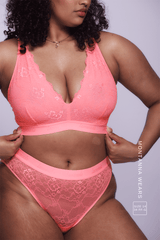
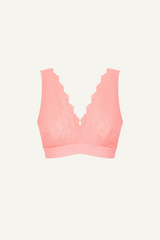
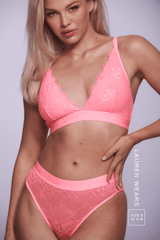
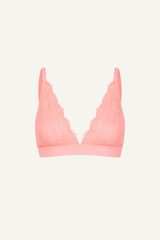


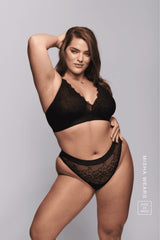
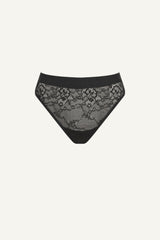


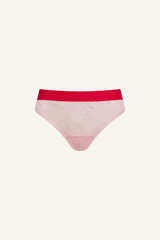


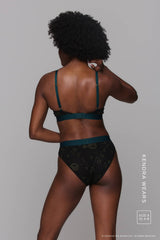
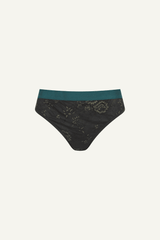


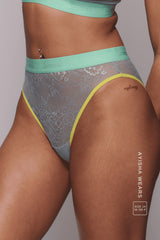
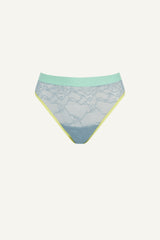


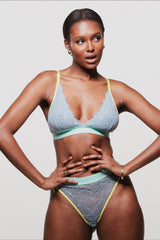



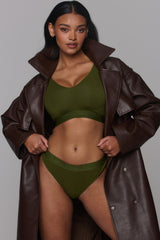




The difference between a bralette and a bra comes down to structure. Bras use underwire and moulded cups to shape the bust; bralettes skip the hardware for a wireless, softer fit that still provides support. Neither is universally better — the right choice depends on your body, your outfit, and what you need from your day.
Table of Contents
- What Actually Makes a Bralette Different from a Bra?
- Bralette vs Bra: A Side-by-Side Comparison
- Can You Wear a Bralette with a Fuller Bust?
- When to Wear a Bralette and When a Bra Works Better
- How to Pick the Right Style for Your Needs
- Common Myths About Bralettes (and the Truth)
- FAQs
What Actually Makes a Bralette Different from a Bra?
A bralette is a wireless, typically unstructured piece of lingerie that uses fabric tension, elastic, and construction design — rather than underwire or rigid cups — to hold and support the bust. A bra is a more engineered garment that usually includes underwire, moulded or sewn cups, adjustable straps, and multiple hook-and-eye closures for a structured fit.
That’s the core distinction, but the gap between the two has narrowed massively over the past few years.
Traditional bras were built around a simple idea: you need rigid architecture to support the chest. Underwire distributes weight across the band, moulded cups create a uniform shape, and boning or side panels stop everything migrating sideways. It works — but it’s not always comfortable, and according to a 2023 survey by Mintel, 49% of UK women say comfort is now the single most important factor when choosing lingerie.
Bralettes answer that demand. They’ve evolved from flimsy triangle tops into genuinely supportive garments. Modern bralettes use wide elastic bands, power mesh linings, and strategic seaming to provide real lift. At Lemonade Dolls, our bralette sets use LD LiftTech — a construction method that builds support into the fabric itself, so you get hold without the poke of underwire.
The feel is noticeably different too. Bralettes tend to use softer materials like modal, mesh, and lace. Bras more often use synthetic moulded foams. If you’ve ever ripped off a padded bra the second you got home, you already know why that matters.
Bralette vs Bra: A Side-by-Side Comparison
Choosing between a bralette or bra is easier when you see the differences mapped out clearly. This table covers the key factors most people care about.
Bralette vs Bra: Key Differences at a Glance
| Feature | Bralette |
|---|---|
| Traditional Bra | Underwire |
| No — wireless construction | Yes (most styles) |
| Cups | Unlined, lightly lined, or soft-moulded |
| Moulded, padded, or sewn structured cups | Support Level |
| Light to medium (high with modern tech like LD LiftTech) | Medium to high |
| Comfort | Typically higher — no digging or poking |
| Varies; underwire can cause discomfort over long wear | Sizing |
| Often S/M/L or simplified band + cup | Specific band + cup (e.g., 34DD) |
| Shape Under Clothes | Natural, relaxed silhouette |
| Lifted, rounded, or push-up silhouette | Best For |
| Everyday comfort, lounging, low-impact activity, WFH days | Formal outfits, high-impact sport, specific shaping needs |
| Typical Materials | Lace, mesh, modal, cotton blends |
| Moulded foam, microfibre, structured fabrics | Price Range (UK) |
| £12–£40 | £15–£60+ |
According to Good Housekeeping Institute’s bra testing programme, modern bralettes scored within 10% of wired bras on all-day comfort metrics while maintaining adequate support for everyday activities. The old assumption that bralettes are just “for small boobs on lazy days” simply doesn’t hold up any more.
Browse the full range of wireless bras and bralettes to see how many options exist beyond the classic underwired style.
Can You Wear a Bralette with a Fuller Bust?
Yes — and this is where the bralette vs bra conversation has changed the most. A bralette is not just for A and B cups. Modern engineering means fuller-busted people can wear bralettes with genuine support, not just aesthetic appeal.
The lingerie industry historically ignored anyone above a D cup when designing bralettes. According to WRAP’s Textiles Market Situation Report, the UK lingerie market has seen a significant shift toward extended sizing since 2020, driven by consumer demand and brands that refused to treat anything above a DD as “specialist.”
Lemonade Dolls builds fuller cup bralettes up to K cup. Here’s what makes that work:
- LD LiftTech construction — internal support panels that cradle and lift without wire
- Power mesh lining — provides compression and hold while remaining breathable
- Wide, cushioned straps — distribute weight properly across the shoulders
- Reinforced underband — does the heavy lifting (literally), just like the band on a well-fitted wired bra
The support conversation isn’t about wire vs no wire. It’s about engineering. A poorly fitted underwired bra gives worse support than a well-designed bralette in the right size. If you’re unsure about your measurements, use the Lemonade Dolls size guide — getting the band right is the most important step regardless of style.
Support Features: Fuller Cup Bralettes vs Underwired Bras
| Support Feature | Fuller Cup Bralette |
|---|---|
| Underwired Bra | Primary Support Source |
| Band + power mesh + internal panels | Underwire + band |
| Lift Mechanism | LD LiftTech / fabric tension |
| Wire curvature + cup structure | Strap Load |
| Reduced (wide, cushioned) | Variable (often narrow) |
| Comfort Over 8+ Hours | High — no pressure points |
| Moderate — wire can dig | Available Cup Range |
| Up to K cup (Lemonade Dolls) | Typically up to GG–J (varies) |
When to Wear a Bralette and When a Bra Works Better
Knowing when to wear a bralette versus reaching for a structured bra saves you from a day of discomfort — or a day of not enough support. The answer is more situational than most guides admit.
Bralettes are the better pick for:
- Everyday wear and commuting — you’re walking, sitting, maybe dashing for a train. A well-fitted bralette handles all of this. The So Soft Mesh collection is built exactly for these days.
- Working from home — no one needs an underwired bra on a Zoom call. A bralette gives you enough structure to feel put-together without the squeeze.
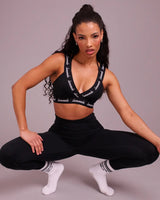
- Low-impact exercise — yoga, pilates, walking. A supportive bralette like the ones in our high support range can handle these comfortably.
- Sleeping — if you prefer some support at night, a soft bralette beats a wired bra every time.
- Under casual or loose-fitting clothes — the natural silhouette of a bralette works brilliantly under oversized shirts, slip dresses, and low-cut tops.
A structured bra might be better for:
- High-impact sport — running, HIIT, jumping. According to research published by the University of Portsmouth’s breast health research group, the breast can move up to 14 cm during running, and minimising that movement requires engineered encapsulation or compression — something most bralettes can’t fully deliver at high intensity.
- Formal or tailored outfits — when you need a specific silhouette under a fitted blazer or structured dress, a moulded bra gives a smoother, more defined line.
- Push-up or enhanced shaping — if you want cleavage or lift beyond your natural shape, a push-up style like the All Wonder range is designed for that.
Most people don’t need to choose one category permanently. The smartest approach is owning a few of each and rotating based on the day.
How to Pick the Right Style for Your Needs
The bralette or bra question ultimately comes down to three things: what support you need, what you’re wearing over it, and how long you’ll have it on.
Start with support level. If your daily life involves mostly sitting, standing, and walking, a bralette with medium support covers you. If you’re doing physical work or high-impact exercise, a structured bra or sports bra is the more practical pick. For everything in between — which is most days for most people — either works, and comfort should be the tiebreaker.
Think about your outfit. A smooth, seamless bralette sits invisibly under a T-shirt. A lace bralette looks fantastic peeking out from a blazer or an open-neck top. A moulded bra gives the cleanest line under bodycon dresses or fine-knit jumpers. Match the garment to the silhouette you want.
Consider the hours. Wearing a bra for 4 hours at a dinner? Fine — even an underwired one shouldn’t cause trouble. Wearing it for a 12-hour shift? That’s where a wireless bralette starts winning. The longer the wear time, the more comfort matters.
A quick decision framework:
- Check the Lemonade Dolls size guide so you know your measurements.
- Ask yourself: do I need shaping, or do I want a natural silhouette?
- Think about your longest wearing day this week. Could a bralette handle it?
- If you’re between sizes or styles, start with a best seller — these are the styles most customers re-order.
A bralette is not a downgrade from a bra. It’s a different tool for a different job — and increasingly, it’s the tool that fits more jobs than people expect.
Common Myths About Bralettes (and the Truth)
A lot of outdated advice still circulates about bralettes, most of it based on designs from a decade ago. Here’s what’s actually true now.
Myth: Bralettes don’t provide real support. This was fair criticism in 2015. It’s not in 2026. Bralettes with power mesh, wide bands, and internal support panels — like those using LD LiftTech — deliver genuine all-day hold. According to Drapers’ lingerie market review, wireless bra sales in the UK have grown by over 40% since 2020, driven partly by improvements in support technology.
Myth: Bralettes only come in small sizes. Lemonade Dolls offers bralettes up to K cup. Other brands have expanded too. The idea that you need an underwire past a D cup is outdated — what you need is proper engineering, and that exists in wireless form now.
Myth: You can’t wear a bralette to work. Unless your workplace requires a specific silhouette (unlikely), a smooth bralette under a blouse or jumper is invisible and perfectly appropriate. Many people find they’re more focused and comfortable without underwire pressing into their ribs for eight hours.
Myth: Bralettes stretch out quickly. Quality matters here. Cheap fast-fashion bralettes will lose elasticity fast. Bralettes made with OEKO-TEX certified fabrics, reinforced elastic, and durable construction — like those from Lemonade Dolls — maintain their shape through repeated wear and washing. Using an eco-friendly modal or mesh fabric actually holds up better over time than some moulded foam cups, which can crack and deform.
Myth: Bralettes are just for lounging. They can be — and they’re great for it. But they’re also worn to offices, on nights out, to yoga classes, and under wedding dresses. The category has expanded far beyond “at-home comfort wear.”
FAQs
What is the main difference between a bralette and a bra?
The main difference between a bralette and a bra is structure. A bra uses underwire, moulded cups, and rigid panels for shaping and support. A bralette is wireless and relies on fabric construction — elastic bands, power mesh, and internal support panels — for a softer, more natural hold. Both can provide adequate support for everyday wear; the experience of wearing them is what differs most.
Can you wear a bralette if you have a larger bust?
Absolutely. Bralettes are available up to K cup from brands like Lemonade Dolls. Modern construction techniques such as LD LiftTech, power mesh lining, and reinforced underbands mean fuller-busted people get real support without underwire. The key is getting the right band size — that’s where most of the support comes from, regardless of style.
Are bralettes less supportive than bras?
Not necessarily. A well-made bralette with a firm band, wide straps, and supportive fabric can match a traditional bra for daily activities like walking, commuting, and desk work. For high-impact sport, a structured sports bra remains the stronger choice. But for the vast majority of what most people do in a day, a quality bralette provides more than enough support.
When should you wear a bralette instead of a bra?
Bralettes work brilliantly for everyday wear, working from home, sleeping, low-impact exercise, and under casual or loose-fitting clothes. They’re also ideal for long days where comfort is a priority. Reach for a structured bra when you need specific shaping, high-impact sport support, or a smooth line under very fitted clothing.
Do bralettes show under clothes more than bras?
It depends on the fabric and style. Seamless or smooth mesh bralettes — like those in the So Soft Mesh range — sit invisibly under most tops. Lace bralettes may show texture under thin fabric, but many people style them intentionally, letting lace edges peek out under open necklines or layered looks. A moulded bra gives the smoothest line under bodycon or fine-knit fabrics.
