












A capsule underwear drawer is a pared-back collection of essential underwear that covers every situation — from 9 a.m. lectures to Friday nights — without stuffing a tiny halls-of-residence drawer to bursting. You don’t need 30 pairs of knickers and a bra for every mood. You need the right pieces, in the right fabrics, bought once and bought well.
Table of Contents
- What Actually Goes Into a Capsule Underwear Drawer
- How Many Bras Do You Need for Uni?
- The Essential Underwear Wardrobe: Briefs Edition
- Fabric Matters: Why Your Basics Should Be Biodegradable
- Building Your Drawer on a Student Budget
- Care Tips That Make Everything Last Longer
What Actually Goes Into a Capsule Underwear Drawer
The capsule wardrobe concept works brilliantly for outerwear, but nobody talks about what’s underneath. A capsule underwear drawer follows the same principle: fewer pieces, better quality, total versatility. Every item should serve at least one clear purpose, and nothing sits at the bottom of the pile unworn.
| Here’s what you’re aiming for: | Category |
|---|---|
| Quantity | Purpose |
| Everyday bras | 2 |
| Rotation for daily wear | Bralette |
| 1 – 2 | Lounging, layering, low-key days |
| Going-out / special bra | 1 |
| Date night, nights out, cute tops | Sports bra |
| 1 | Gym, running, active days |
| Everyday briefs | 10 – 14 |
| Two-week rotation | Nicer briefs |
| 2 – 3 | Going out or feeling fancy |
That’s roughly 4–5 bras and 12–17 briefs. It sounds minimal, but it genuinely covers a full student lifestyle. The trick is choosing pieces that pull double duty — a mesh bralette that works for lounging and looks great under a going-out top, for example.
A capsule underwear drawer is not about deprivation — it’s about ditching the drawer full of mismatched, grey-washed pants you never reach for. Start with the Lemonade Dolls best sellers to see what other people swear by when they’re narrowing things down.
How Many Bras Do You Need for Uni?
This is one of the most-searched questions every September, and the answer is simpler than you’d think. You need three to five bras for university, and most people land on four.
Here’s the breakdown of an essential underwear wardrobe, bra edition:
Two everyday bras. These are your workhorses. Neutral colours — black, nude, or a shade that disappears under your skin tone — that go under anything. Wireless styles are ideal for long days of sitting in lectures because they won’t dig into your ribs after hour three. Browse the full bra collection for options that suit your size and shape.
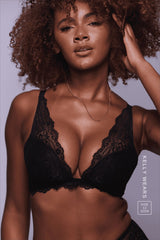
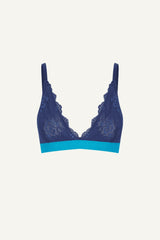
One bralette. For weekends, study days at home, or layering under oversized shirts. Bralettes are lighter, comfier, and pack smaller than structured bras — a genuine advantage when your entire wardrobe lives in one IKEA unit. The So Soft Mesh range works for this because it’s light enough for lounging but still looks intentional if someone sees a strap.
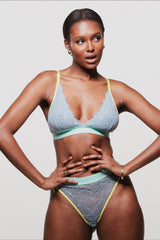
One going-out bra. Something with a bit more style — mesh, lace, or a colour that makes you feel good. If you pick a bralette set, you’ve knocked out a bra and a matching brief in one purchase.
One sports bra (if you exercise). Gym memberships are often included in uni fees, and you’ll regret not having a proper sports bra when your flatmate drags you to a HIIT class.
According to WRAP (Waste and Resources Action Programme), extending the active life of clothing by just nine months reduces its carbon, water, and waste footprint by around 20–30%. Owning fewer, better bras and rotating them properly doesn’t just save money — it’s a genuinely more sustainable approach.
The Essential Underwear Wardrobe: Briefs Edition
Briefs are where most people over-buy. You probably don’t need the 20-pack from a supermarket that’ll pill after three washes. What you need is roughly 10 to 14 pairs of decent quality underwear basics that hold their shape, feel good against your skin, and survive shared laundry machines.
A solid brief rotation isn’t about having lots of underwear — it’s about having underwear you actually want to put on.
Here’s a practical split:
| Type | Quantity |
|---|---|
| When You’ll Wear Them | Classic briefs or hipsters |
| 5 – 7 | Daily go-to under jeans, trousers, skirts |
| Seamless or thongs | 3 – 4 |
| Under clingy dresses, leggings, fitted trousers | Mesh or lace briefs |
| 2 – 3 | Nights out, dates, or just because |
Stick to a colour palette that works together. Black, nude, and one or two colours you actually like means any brief can pair with any bra without looking chaotic. The Lemonade Dolls briefs collection runs across multiple styles in consistent colourways, which makes mixing and matching dead simple.
According to Save the Student’s National Student Money Survey, the average UK student has around £490 per month after rent. Every pound counts, and buying 12 pairs of well-made briefs that last the year beats buying cheap multipacks every term.
If you’re not sure about your brief size, the size guide maps standard UK dress sizes to each style so you’re not guessing.
Fabric Matters: Why Your Basics Should Be Biodegradable
This bit matters more than you’d think, especially in a student context. You’re going to be washing these pieces in machines you share with 30 other people, tumble-drying them because you haven’t got a clothesline, and generally putting them through it.
Cheap synthetic underwear isn’t a bargain — it’s a false economy. Polyester and nylon basics tend to trap moisture, hold odours, and break down into microplastics with every wash cycle. According to OEKO-TEX, certified textiles are tested against over 100 harmful substances — something worth considering when fabric sits against your skin for 16 hours a day.
Modal — the fibre used in the Everyday Eco collection — is made from sustainably harvested beechwood pulp. Lemonade Dolls’ Everyday Eco range uses 91% biodegradable modal, which means at the end of its life, it breaks down rather than sitting in landfill for centuries. But the day-to-day benefits are just as compelling:
- Softer with every wash rather than stiffer or rougher
- Breathable and moisture-wicking, which matters in overheated student halls
- Holds its shape through repeated machine washes
- Lightweight and quick-drying, handy when you’re doing laundry on a tight turnaround
The cost difference between synthetic basics and modal basics is often only a couple of pounds per piece. Over an academic year, that gap pays for itself in replacement costs alone.
Building Your Drawer on a Student Budget
Here’s where the capsule approach really earns its keep. Instead of one big shop, build your drawer strategically.
Start with what you’ve already got. Go through your current underwear before you pack for uni. Pull out anything that’s lost its elastic, has holes, or you simply never wear. You’ll probably find you already own two or three pieces that deserve a spot in the capsule.
Buy the gaps, not the whole drawer. If you’ve got two decent everyday bras, don’t buy two more just because a list told you to. Spend that money on briefs instead, or on one quality bralette you don’t own yet.
Cost-per-wear thinking changes everything. A bralette that costs £22 and lasts 18 months works out to about 4p per wear. A £5 multipack bra that falls apart in 8 weeks costs roughly 9p per wear. The “expensive” option is literally cheaper.
Prioritise sets when you can. Buying a bralette and brief as a matched set is almost always better value than buying pieces separately, and it instantly gives your drawer a put-together feel.
Look for student discounts. Lemonade Dolls is stocked at ASOS and John Lewis, both of which run student discount schemes. A 10% student discount on a well-chosen capsule saves you more than a 30% discount on things you’ll never wear.
A budget underwear drawer isn’t about buying the cheapest stuff — it’s about buying the right stuff once. Five quality pieces will outperform fifteen disposable ones every single time.
Care Tips That Make Everything Last Longer
You’ve built the drawer. Now don’t destroy it in the wash. Student laundry rooms are brutal — aggressive cycles, shared machines, and whoever keeps setting the dryer to “surface of the sun.” A few simple habits will keep your capsule in rotation all year.
Wash bras in a mesh laundry bag. They cost about £2, and they stop hooks from snagging other clothes and cups from getting crushed. This single step can double the lifespan of a bra.
Wash at 30 degrees. It’s better for the fabric, better for the planet, and better for your electricity bill if you’re paying per cycle. Modal and mesh fabrics don’t need high heat to come clean.
Don’t tumble dry bras. Hang them over a chair or radiator instead. Heat destroys elastic faster than anything else. Briefs can handle a low tumble dry, but air drying is always the safer bet.
Rotate your bras. Never wear the same bra two days running. The elastic needs 24–48 hours to spring back. With two everyday bras and a bralette in rotation, this happens naturally.
Store them properly. Stack bras cup-inside-cup in your drawer rather than folding one cup into the other. It takes five seconds and stops moulded cups from creasing.
According to WRAP, proper garment care is one of the simplest ways to reduce textile waste. When you’re working with a small capsule, each piece matters — treat them well and they’ll see you through to summer.
Frequently Asked Questions
How many bras do you need for university?
Most people do well with three to four bras for university: one or two everyday bras, one bralette for lounging or low-impact days, and one that works under going-out tops. If you exercise regularly, add a sports bra. Rotating between them extends the life of each bra because the elastic has time to recover between wears.
How many pairs of underwear should I take to uni?
Pack 10 to 14 pairs. That gives you enough for roughly two weeks before needing to do laundry, which suits most student washing schedules. A mix of everyday briefs and a couple of nicer pairs covers everything from lectures to nights out.
What is a capsule underwear drawer?
A capsule underwear drawer is a small, intentional collection of underwear basics that covers all your daily needs without excess. Think of it like a capsule wardrobe but for what goes underneath — every piece earns its place, nothing sits unused, and the whole lot fits in a single drawer.
Is it worth buying eco-friendly underwear on a student budget?
Yes, if you look at cost per wear. Cheap synthetic underwear often pills, loses shape, and needs replacing within months. Eco-friendly fabrics like modal — which is 91% biodegradable in the Everyday Eco range — tend to soften with washing rather than deteriorate. Spending a few pounds more upfront on quality basics usually means buying fewer replacements over the year.
Can I mix and match bra and brief sizes from different ranges?
Absolutely. Your bra size and brief size are independent measurements, and they can differ between styles or ranges. Always check the size guide for each specific product. At Lemonade Dolls, briefs use standard UK dress sizing (6–18) while bra and bralette sizing varies by range and cup size.
