





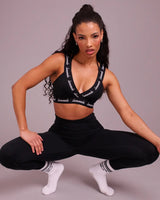





You should change your underwear at least once every 24 hours, and more often if you have been sweating, working out or feeling damp. A fresh pair each day keeps moisture, bacteria and skin cells from building up against your skin, which is the single easiest habit for everyday intimate hygiene and all-day comfort.
- How often should you change your underwear each day?
- Why daily changes matter for hygiene
- Changing underwear after the gym and sweaty days
- Should you wear underwear overnight?
- How fabric changes how often you need to swap
- How often should you replace underwear entirely?
- Common underwear hygiene mistakes to avoid
- FAQs
How often should you change your underwear each day?
Once a day is the baseline. According to the NHS guidance on thrush, a warm, moist environment is what lets yeast and bacteria flourish, so a clean pair every morning gives you a fresh start before the day's sweat and discharge accumulate.
That said, "once a day" is a floor, not a ceiling. There are plenty of moments where a midday swap makes sense: after a workout, after swimming, on a sticky summer commute, or any time your knickers feel damp. A second change costs you nothing and removes the warm, wet conditions irritation loves.
A quick rule of thumb for an average day:
| Your day | How often to change | Why |
|---|---|---|
| Standard desk or home day | Once every 24 hours | Normal sweat and discharge stay manageable |
| Workout or sport | Straight after exercise | Sweat-soaked fabric breeds bacteria fast |
| Hot, humid weather | Twice a day or more | Heat and moisture speed up bacterial growth |
| On your period | With each pad or product change | Keeps the area dry and reduces odour |
| Vaginal discharge or sweating | As soon as you feel damp | Dampness is the trigger, not the clock |
Why daily changes matter for hygiene
Underwear sits against the most delicate skin on your body all day, collecting sweat, natural discharge, dead skin cells and traces of whatever else the day brings. Left in place, that mix becomes a comfortable home for bacteria and yeast.
According to the NHS, tight, non-breathable underwear and damp conditions can increase the chance of thrush, which is why both a daily change and breathable fabric matter. Clean underwear is a basic part of intimate hygiene. It is not a cure for an infection, so if you notice persistent itching, unusual discharge or discomfort, it is worth speaking to a pharmacist or GP rather than just changing knickers more often.
The reassuring part: you do not need special products or elaborate routines. A clean, well-fitting pair in a breathable fabric does most of the work. If your current drawer is full of tired, stretched-out pairs, our guide to a proper underwear drawer detox is a good place to start.
Changing underwear after the gym and sweaty days
Sweat is the big one. A workout leaves your underwear damp, and damp fabric against warm skin is the textbook setup for irritation. The fix is simple: change out of sweaty knickers as soon as you finish, ideally as part of a post-gym shower.
Never sit around in soaked gym kit for hours. If you cannot shower straight away, at least swap into a dry, breathable pair. Keeping a spare in your bag turns this from a hassle into a two-minute habit. Breathable styles like our everyday eco thong or a soft cotton-feel brief move sweat away far better than synthetic fabric that clings.
The same logic applies to any sweaty day, not just the gym. Heatwaves, long flights, festivals and hot commutes all leave you damp. For the warmer months, our inclusive activewear collection guide covers breathable pieces built to move with you.
Should you wear underwear overnight?
This comes down to preference and comfort. Sleeping without underwear lets the area breathe and stay dry overnight, which many people find more comfortable. Going commando to bed is a perfectly healthy choice. It is not unhygienic, as long as your bedding is washed regularly.
If you would rather wear a pair to bed, choose loose and breathable over tight and synthetic. A soft cotton or modal style lets air circulate while you sleep. Either way, start each morning with a fresh pair. Whatever you wore overnight has done its shift, and a clean change resets you for the day.
If comfort is your priority, our roundup of the comfiest knickers to wear is full of styles that work just as well for lounging and sleeping.
How fabric changes how often you need to swap
What your underwear is made of changes how it handles moisture, and that affects how quickly you will want a fresh pair. Breathable, moisture-managing fabrics keep you drier for longer, while tight synthetics trap heat and dampness.
| Fabric | Breathability | Moisture handling | Best for |
|---|---|---|---|
| Cotton | High | Absorbent, dries slowly | Everyday wear, sensitive skin |
| Modal | High | Soft, wicks well, breathable | All-day comfort, warm days |
| Soft mesh | Very high | Fast-drying, airy | Hot weather, active days |
| Lace (with breathable lining) | Medium-high | Depends on backing fabric | Everyday plus dressed-up days |
| Tight synthetic (no breathability) | Low | Traps heat and sweat | Limit time, swap when damp |
Modal is a standout for daily comfort because it is soft, breathable and good at managing moisture. If you have not tried it, our explainer on what modal fabric is and why your drawer needs it breaks down why it has become such a wardrobe staple. Every Lemonade Dolls fabric is also OEKO-TEX certified. According to OEKO-TEX, that certification means each textile has been tested for harmful substances, so it is safe against your most delicate skin all day.
How often should you replace underwear entirely?
Daily changing keeps you fresh, but underwear does not last forever. From a hygiene standpoint, most pairs are worth replacing every six to twelve months, depending on how often you wear and wash them. Repeated washing breaks down elastic and thins the fabric over time.
Watch for these signs it is time to let a pair go:
| Sign | What it means |
|---|---|
| Stretched, loose elastic | It no longer fits securely and will ride or roll |
| Thinning or see-through fabric | Worn-out material offers less comfort and coverage |
| Lingering odour after washing | Bacteria have set into the fibres |
| Persistent staining | Past its best and worth retiring |
| Holes or fraying seams | Structural wear, time for a replacement |
When you are refreshing the drawer, a few well-made staples beat a pile of tired pairs. A reliable signature lace brief or a brief multipack gives you breathable, good-fitting everyday options that hold up wash after wash.
Common underwear hygiene mistakes to avoid
Most underwear slip-ups are small habits rather than big errors, which is exactly why they are easy to fix. Knowing the usual culprits helps you stay fresh without overthinking it.
| Mistake | Why it is a problem | Easy fix |
|---|---|---|
| Re-wearing a "looks clean" pair | Sweat and bacteria are there even when you cannot see them | Fresh pair every day, no exceptions |
| Sitting in damp gym or swim kit | Moisture is the trigger for irritation and thrush | Change as soon as you can |
| Living in tight synthetic styles | Traps heat and airflow against the skin | Rotate in breathable cotton, modal and mesh |
| Over-washing with harsh products | Scented detergents can irritate delicate skin | Gentle, fragrance-free detergent |
| Keeping worn-out, stretched pairs | Poor fit and lingering bacteria | Refresh every six to twelve months |
It is also worth keeping a sense of perspective. Daily changing and breathable fabric are sensible habits, but your body is not fragile, and a healthy vulva is largely self-cleaning. According to the NHS, harsh soaps, douches and heavily perfumed products can do more harm than good by upsetting the natural balance. So clean, breathable underwear paired with plain water washing of the external area is genuinely all most people need.
If you do notice ongoing itching, soreness, or a change in discharge that does not settle, that is your cue to check in with a pharmacist or GP rather than reaching for stronger products. Fresh underwear supports your comfort, but it works best as part of a gentle, low-fuss routine. For more on how the right pieces make you feel day to day, our take on how underwear impacts confidence is a lovely companion read.
FAQs
How often should you change your underwear?
Change your underwear at least once every 24 hours. Swap it more often if you have been sweating, exercising, swimming or feeling damp, since moisture is what lets bacteria and yeast build up.
Is it bad to wear the same underwear two days in a row?
Yes, wearing the same pair across two days traps sweat, skin cells and natural discharge against your skin. That warm, moist environment is exactly what thrush and irritation thrive in, so a fresh pair each morning is the simple fix.
Should you change your underwear after the gym?
Always change out of sweaty gym knickers as soon as you can. Damp fabric pressed against your skin raises the risk of irritation and infection, so pack a clean, breathable pair in your kit bag.
Can you sleep without underwear?
Sleeping without underwear is perfectly healthy and lets the area breathe overnight. If you prefer to wear a pair to bed, choose a loose, breathable cotton or modal style rather than tight synthetic fabric.
How often should you replace your underwear?
Beyond daily changes, most pairs are worth replacing every six to twelve months depending on how often you wear and wash them. Stretched elastic, thinning fabric or lingering odour after washing are your cue to refresh the drawer.
